This Friday, the spirits world raises a glass to National Tequila Day, and we intend to raise several.
The agave spirit has more or less completed its transformation from fraternity shot to the craft product it is. Yes, there are problems with transparency and additives, but underneath the money-spinners remains a spirit category that is as ingrained in its local culture and history as any other.
Tequila is a wonderful cocktail ingredient. Its trademark herbaceousness is the perfect tool for simple three-ingredient recipes like the Paloma and Margarita. But there’s also plenty to explore in the sipping game.
That’s where our Tasting Panel comes in. Below, you’ll find our experts’ favorite tequilas from the Tasting Notes library, listed according to our 100-point scoring system.
The Best Tequilas for National Tequila Day
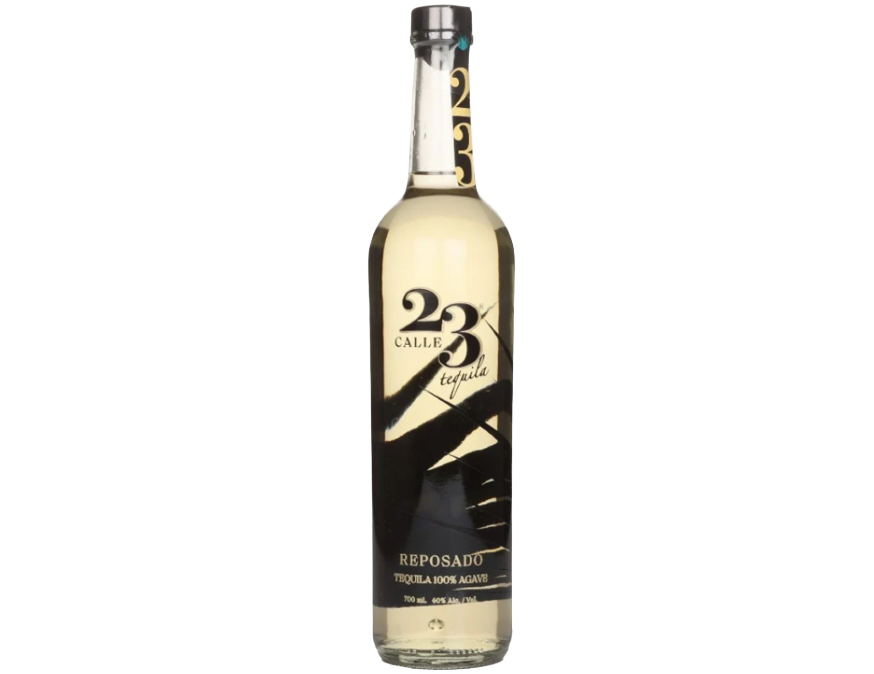
Calle 23, Reposado
Produced at the Destilería El Pandillo by master distiller Felipe Camarena, in the town of Jesús María, Jalisco, Mexico. This is a Tequila Blanco independently bottled by ArteNOM.
Rainwater is utilized in the fermentation process, then the liquid is slowly distilled in small copper stills. A crystal-clear, 100% agave, bottled at 40.7% ABV.
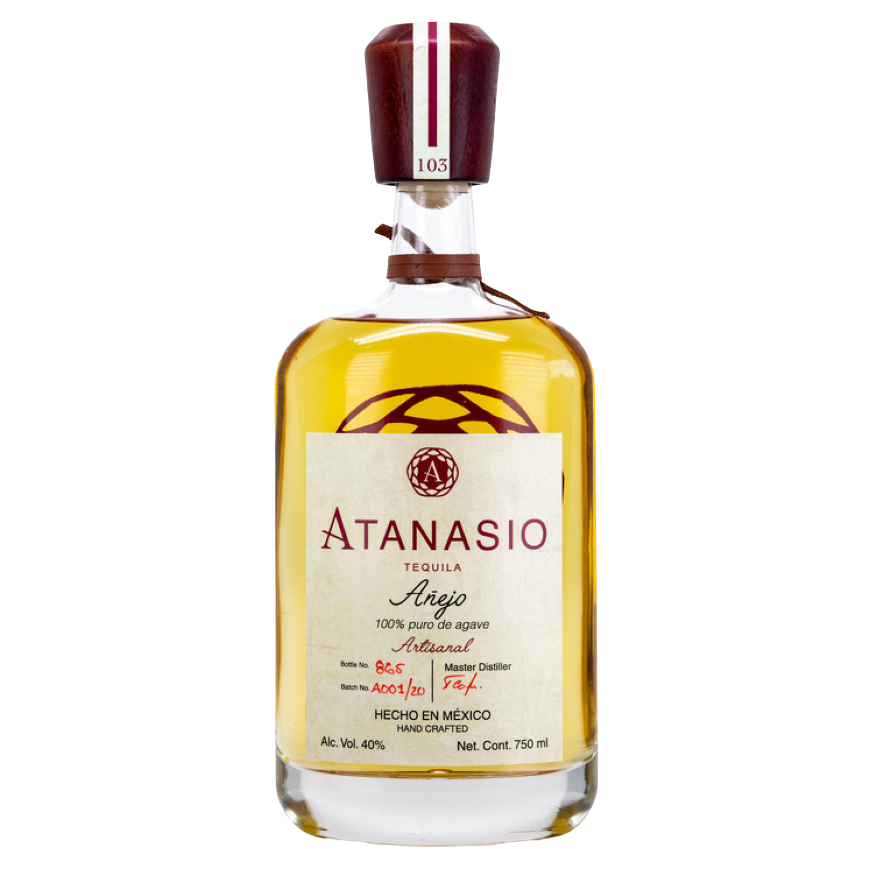
Atanasio, Añejo
Atanasio Añejo is a small-batch, additive-free tequila from René Carranzo. This añejo tequila spent 13 months ageing in ex-bourbon American white oak barrels, striking a fine line between the pure agave and the influence of the wood. It is produced in the highlands of San Pedro de los Landeros in Jalisco, Mexico.
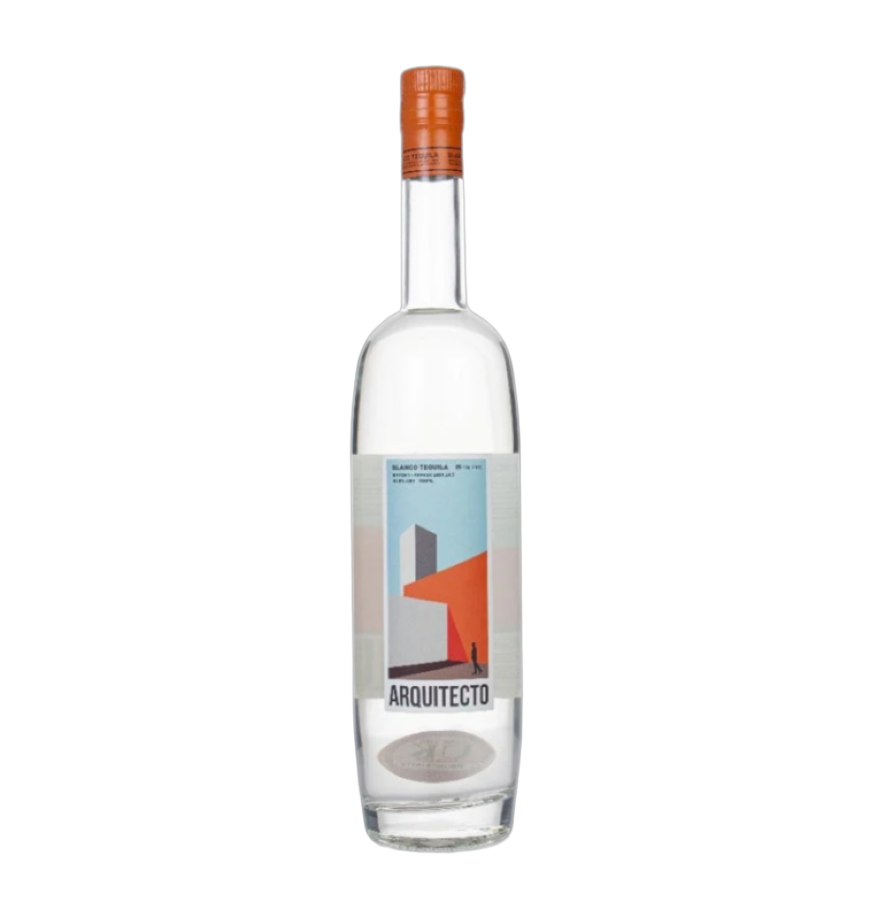
Arquitecto, Tequila Blanco
The child of architect and distiller Enrique Fonesca, the aptly named Arquitecto bottles this blanco tequila produced at the Tequileña distillery in Tequila, Jalisco.
Foregrounding the Blue Weber Agave in this clear, unaged spirit, Arquitecto utilizes sustainable, eco-friendly practices such as only using mature agave to protect plant numbers and the land itself.
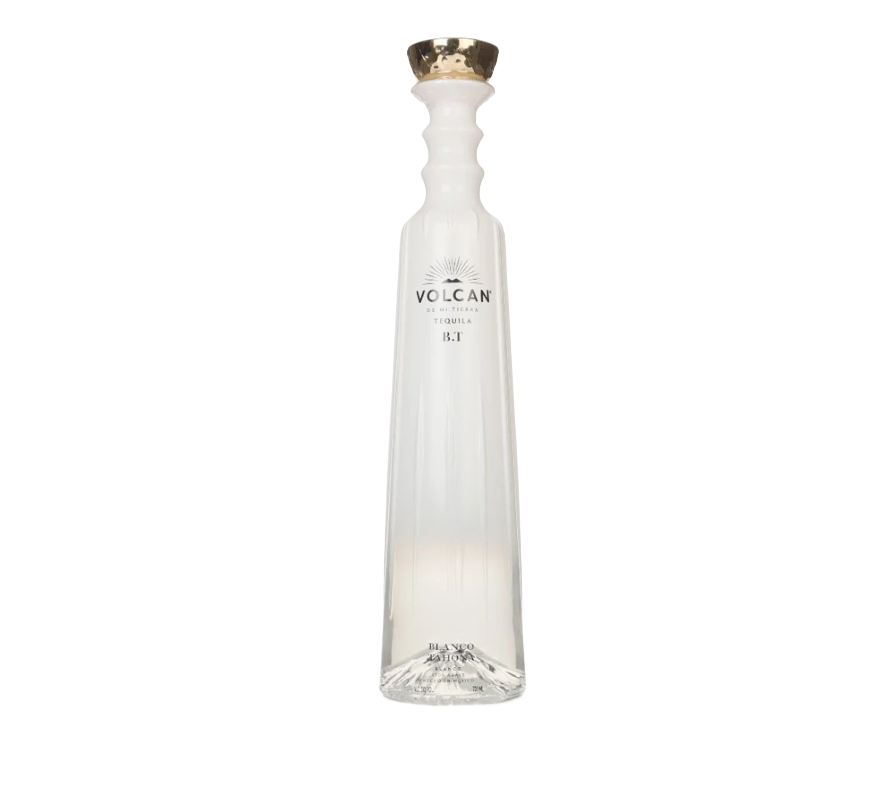
Volcan de mi Tierra, Tequila B.T
From the Agrotequilera distillery comes Volcan De Mi Tierra B.T, a blanco tequila made of 100% agave plants sourced from the volcanic lowlands of Jalisco, Mexico.
The B.T stands for Blanco Tahona, a name derived from the volcanic stone wheel that presses the agave.
This craft spirit uses a brick clay oven to roast the agave for 12 hours, along with natural fermentation and copper pot distillation.
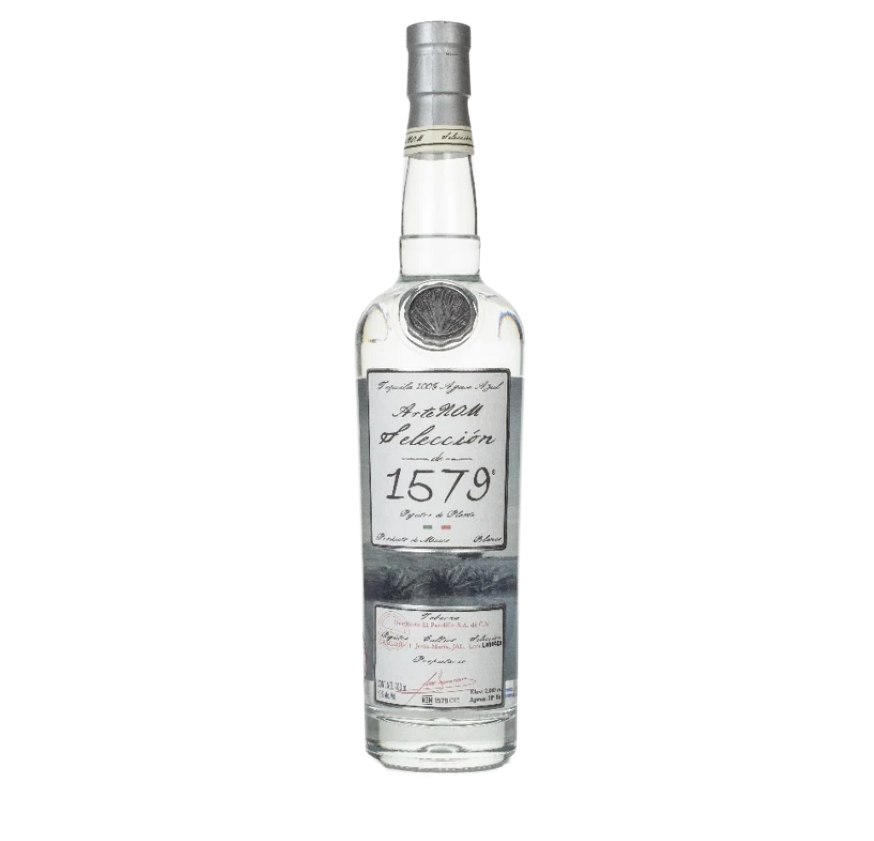
ArteNom, Selección de 1579
Produced at the Destilería El Pandillo by master distiller Felipe Camarena, in the town of Jesús María, Jalisco, Mexico.
This is a Tequila Blanco independently bottled by ArteNOM. Rainwater is utilized in the fermentation process, then the liquid is slowly distilled in small copper stills.
A crystal-clear, 100% agave, bottled at 40.7% ABV.
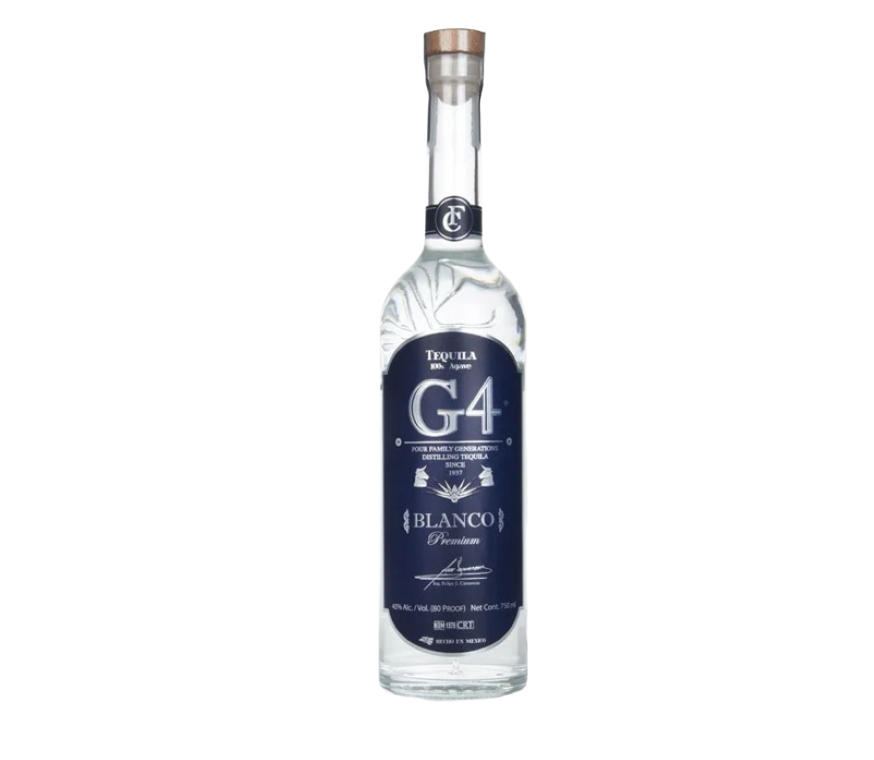
G4, Blanco
The house brand of Destilería El Pandillo, G4 is led by Felipe J. Camarena Curiel, and its name represents the four generations of tequila-making in the Camarena family.
Made in Jalisco, Mexico, out of 100% blue agave, the G4 Blanco is made with traditional and environmentally conscious methods. We’re talking agave leftovers being used as fertilizer, utilizing 50% harvested rainwater, and having a one-motor recycled steamroller crushing agave.
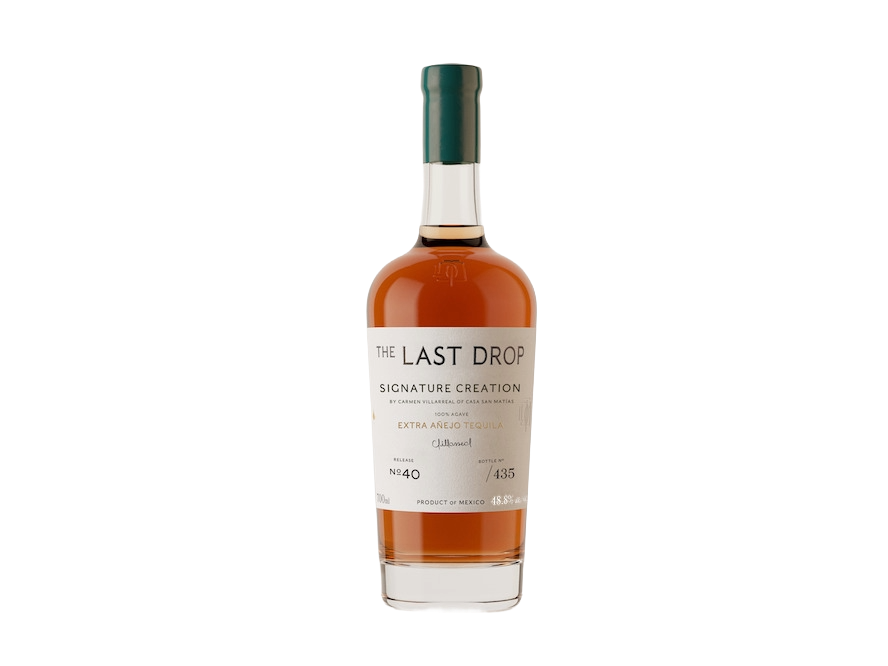
The Last Drop, Extra Añejo Tequila, Release No. 40
Sometimes a spirit comes along that alters the image of the category. This tequila arguably does just that.
Long known for unearthing rare and remarkable spirits, The Last Drop Distillers commissioned pioneering tequilera Carmen Villarreal of Casa San Matías to create this highly limited extra añejo expression, limited to 435 bottles and priced at $2,300.
Extra añejo tequila must spend at least three years in a barrel. This one goes well beyond that, with liquid aged between seven and ten years. Villarreal chose three casks: two ex-bourbon barrels aged a decade and one port pipe aged seven years.