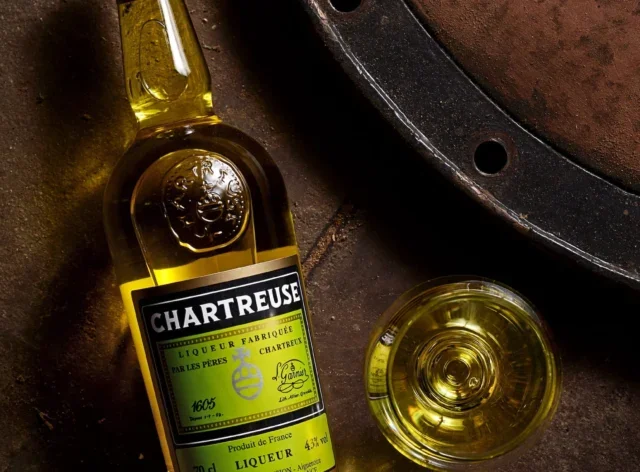
I’ve just descended a mountain in Solden at 10,000 feet above sea level.
It may have been via cable car (two, to be precise), but enduring that altitude for even a few hours has left me in need of a leveler. As I settle in the bar of the alpine-core Das Central Hotel, I’m presented with a glass of carrot eau-de-vie.
Made by Austrian producer Reisetbauer, it sings of its raw material (it should, considering it takes 80 lbs to make 1 L of the spirit), with earthy undertones balancing its recognizable sweet root vegetable character and a hint of carrot-top oiliness, too.
Perhaps it’s the aftershock of the altitude or, more likely, the quality of the liquid in my glass, but it got me thinking about vegetal spirits. The word “vegetal” can be used to describe a combination of many different aromas and flavors: anything from green and grassy to forest floor; herbaceous and fresh to umami and cooked; bright and clean to deep and muddy.
It’s a myriad of sometimes complementary and juxtaposing, overlapping notes that left me in a slight carrot-induced conundrum: what do we really mean when we describe something as vegetal? And how do these notes appear in spirits?
“We have been conditioned to associate delicious drinks with sweet, sour, or fruity flavors. But some of the most fascinating flavors in nature are bitter, grassy, earthy, and savory.”
Angelos Bafas
“I feel that vegetal spirits are criminally underrated,” says Angelos Bafas resolutely. Perhaps one of the most prolific users of vegetal spirits and adjacent ingredients behind the bar (at both Kamara and Cato in London), he has a good idea as to what sits in the category and why they’re so special.
“Vegetal spirits introduce something different,” he continues. “They bring freshness without necessarily bringing acidity, complexity without sweetness, and an almost culinary dimension to cocktails… We have been conditioned to associate delicious drinks with sweet, sour, or fruity flavors. But some of the most fascinating flavors in nature are bitter, grassy, earthy, and savory.”
“I think of vegetal as more of an underlying savoriness that hints at sweet compost,” says Niki Segnit, flavor sensei and author of the groundbreaking compendium The Flavour Thesaurus: Pairings, Recipes and Ideas for the Creative Cook, among other flavor-focused books.
“I’d have to say first that it’s a common vegetable note but one that isn’t dominant in the way that the more common plant flavors are,” she clarifies, associating the term more with cooked stalks (broccoli, asparagus, and globe artichoke) and green beans rather than anything earthier.
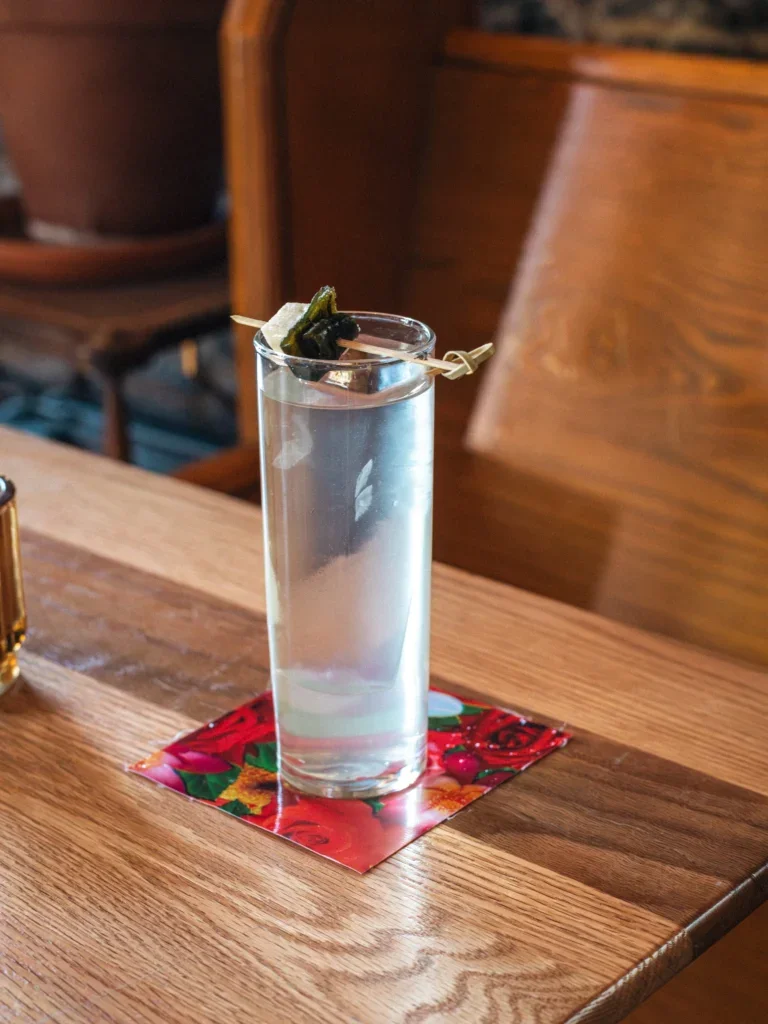

Montreal-based bartender Calliope Draper sees a spectrum of flavors and sides to vegetal spirits: “Often bitter is the most direct note people get, but I also get a lot of florality, light tannins, and those early autumn, early springtime vibes. There can be sweetness in vegetal spirits, too.”
Where these different aromas and flavors sit can differ, too, explains Sam Garbutt, head of whisky at East London Liquor Co (ELLC): “Bright vegetal notes are more on aroma, and heavier sweetcorny, parsnipy things are going to be on the palate.”
All About the Base
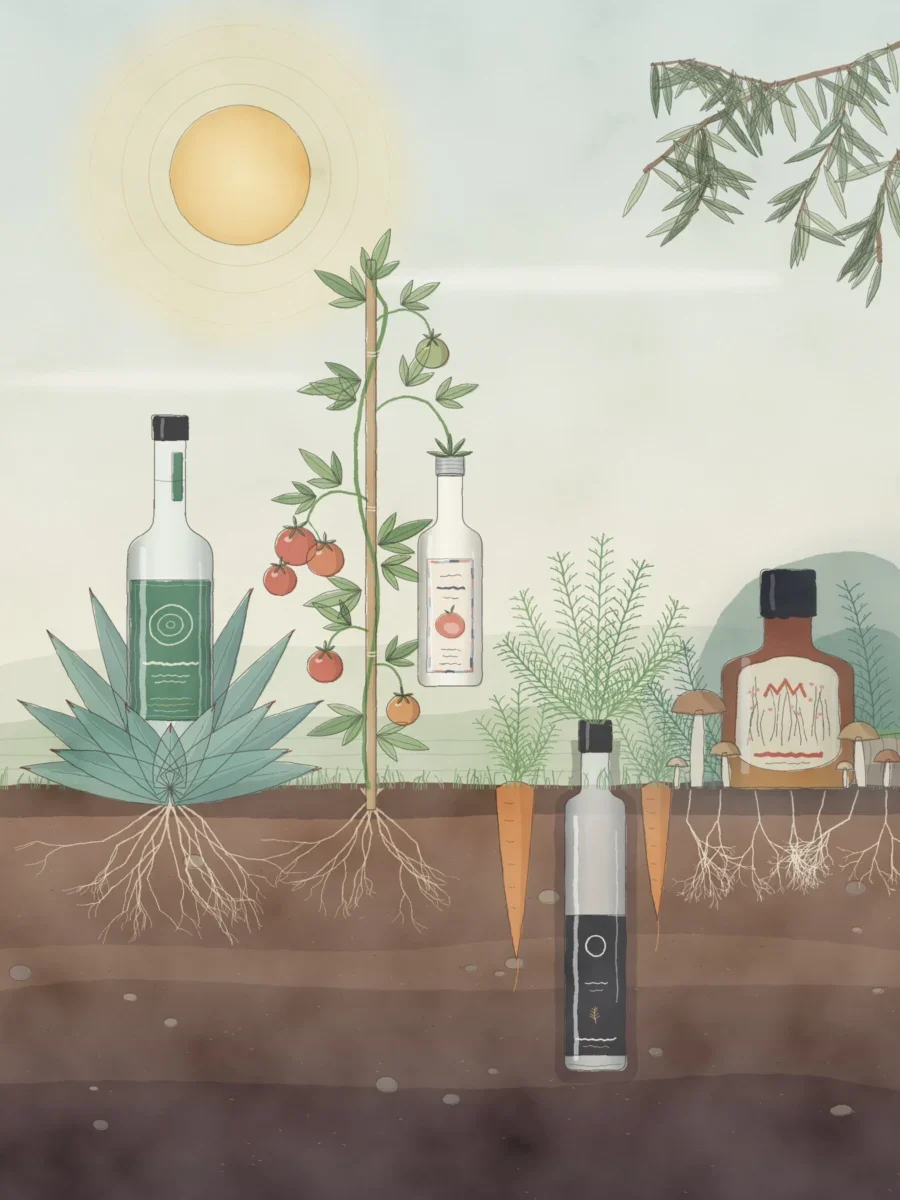
Of course, a lot of spirits made from vegetables (and indeed some fruits) read as vegetal on the nose and palate. La Tomato Liqueur, made by Japan’s Godo Shusei Co., is a cult favorite and brings viney, sweet umami depth to its more top-note tomato aromas. The infamous amaro Cynar may not taste of the artichokes it’s made from, but it certainly exhibits forest floor, bitterness, and woodland qualities.
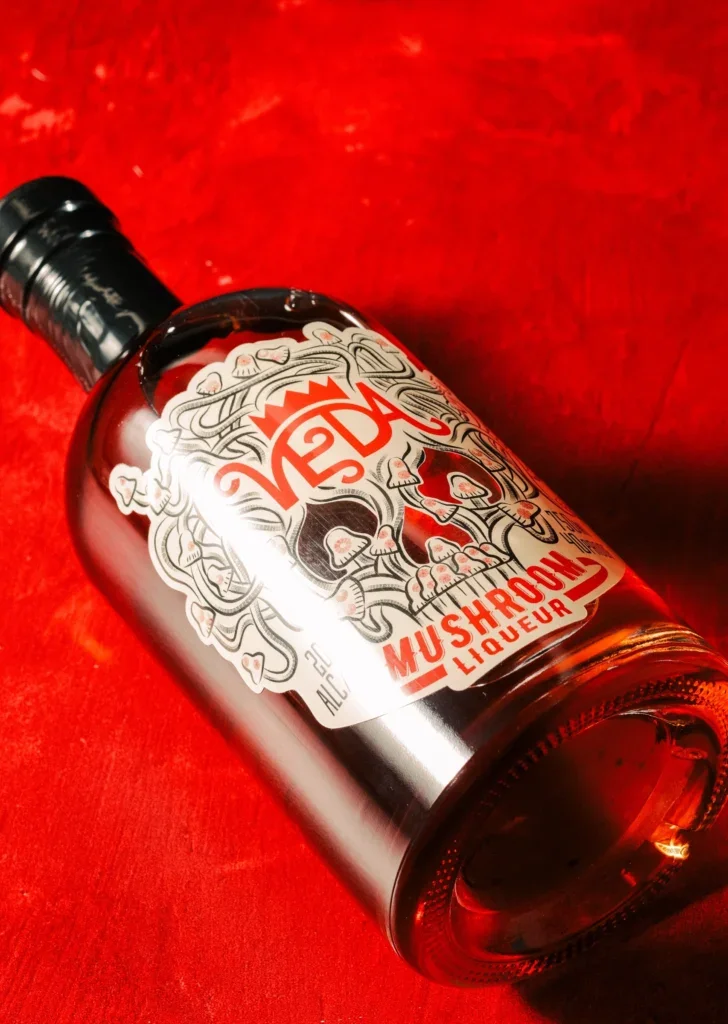
One of my standout vegetal spirits from this year is New York’s Veda Mushroom Liqueur, made with shiitake mushrooms. Co-founder Adam Starowicz, who has a background in farming and cheffing, and partner Jeremy Block spent considerable time balancing the umami of their base ingredient with botanicals such as gentian, marshmallow root, coriander, and horehound to create a digestif and cocktail ingredient like no other.

They experimented with lots of mushrooms before they landed on the shiitake: “We tested so many mushrooms including rare, foraged ones like dried candycanes, oyster, black trumpet, hedgehog,” Starowicz says. “I think that shiitake for this application had the most distinctive flavor.” The result? Woody, miso-like, slightly amaro-bitter, and silky.
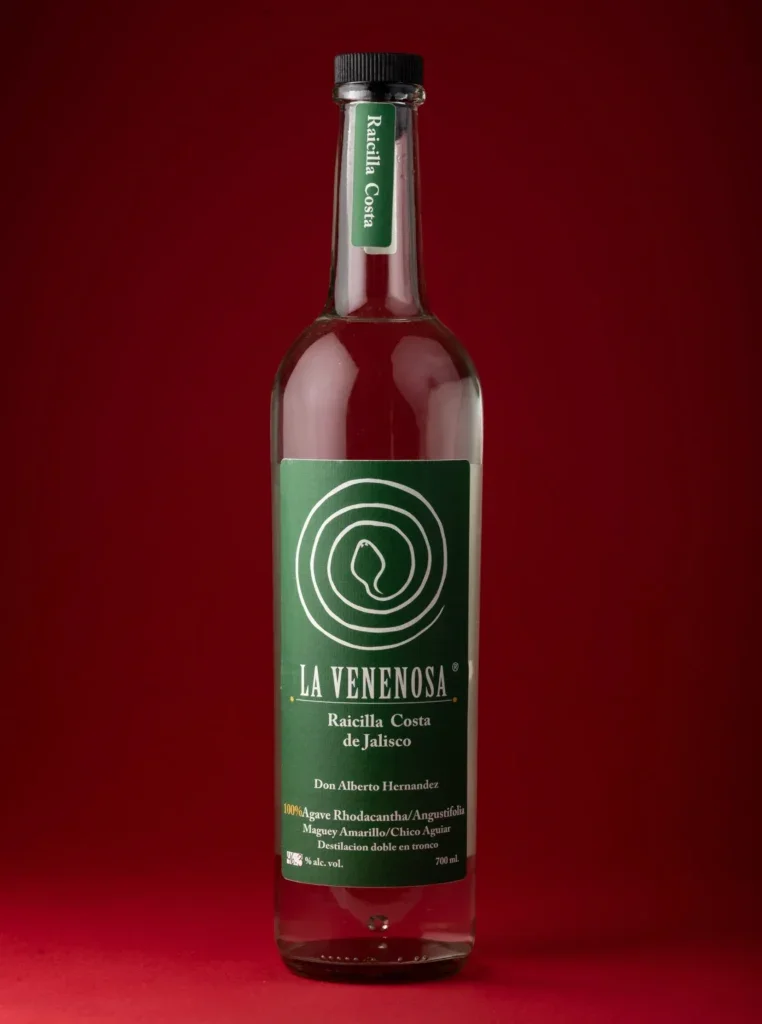
Agave-based spirits naturally lend themselves to the category, too. Some of my favorite tequilas sit in the vegetal canon: Fortaleza Blanco for its celery and briny caper-ness; Elala Blanco with artichoke, olive, and fennel notes; Casa Noble Blanco for its crunchy salad and pitted green olive bite. A moment for La Venenosa Raicilla, too, whose Costa del Jalisco expression, made in Cabo Corrientes, is all herb stalks, bitter green leaves, cooling menthol, and farmyard. It transports me to coastal Mexico.
Working at an agave bar, Draper also associates the category with the word vegetal, from tequilas and mezcals to sotols and non-Mexican expressions. The Madrecuishe agave is a particular favorite: “It’s obscenely delicious, all fresh-cut bamboo and green tea.”
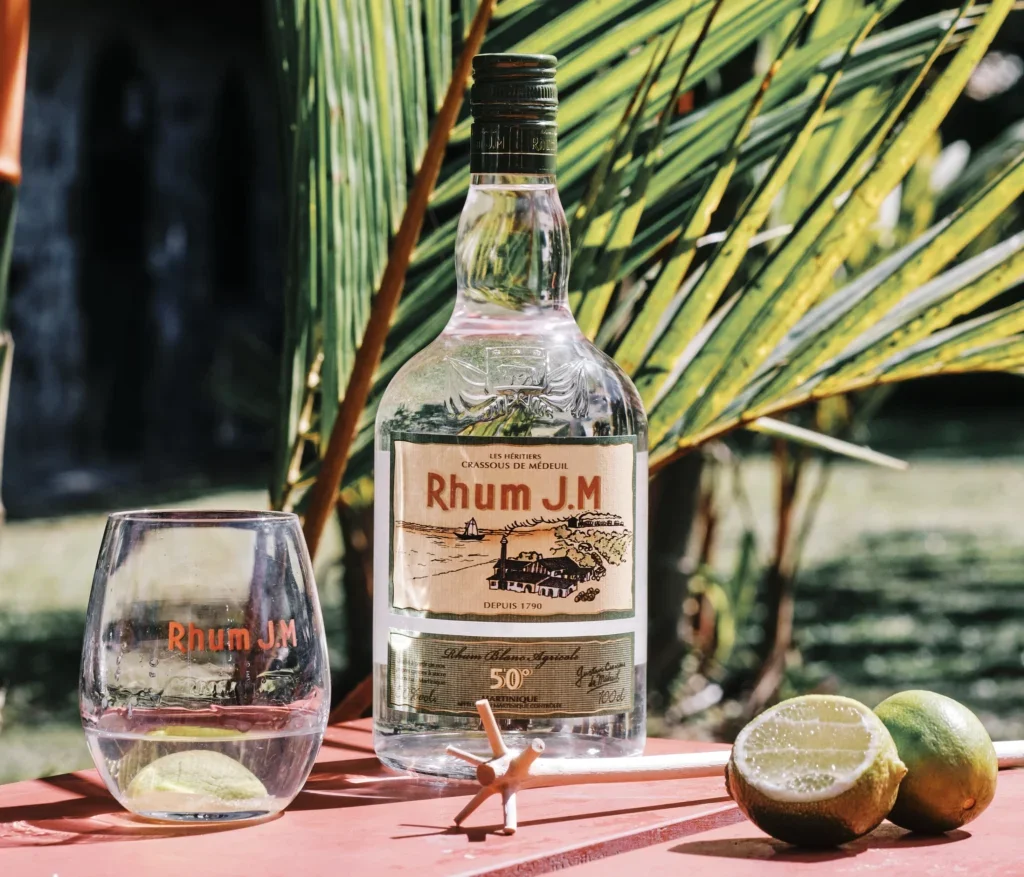
Another category that speaks to this flavor camp is rum, specifically agricole, which uses fresh sugarcane juice as opposed to molasses. Bafas has a particular soft spot for it: “There is something beautifully honest about the flavor of freshly pressed sugarcane: grassy, earthy, slightly funky… it tastes alive.”
Clairin Sajous, a Haitian sugarcane rum known as clairin, has an enchantingly agricultural mulchiness to it, while also showcasing prettier florals and spices; Martinique’s Rhum JM can show notes of damp earth, woody herbs, and distinct grassiness.
Spirits you might not associate with the term vegetal, however, can very much be so, including Scotch whisky. “In whisky, particularly really clean Speyside whisky, people talk about a bright green grassy note that isn’t coming from distillery character but actually from the grain itself,” explains ELLC’s Garbutt. He notes that their London Rye has a touch of green, herbal, minty character, which he puts down to the character of the rye itself.
The presence of these aromas and flavors in spirits comes down to a volatile organosulfur compound called dimethyl sulfide, which is the result of the reaction that happens when grain meets yeast and appears in a liquid as vegetal. Lots of production factors can enhance or lower this characteristic depending on what the distiller wants to achieve.
“Most vegetal notes usually come from kilning, mashing or fermentation,” he explains. “Distillation can take some of those notes away and some will age out in cask.” Heavier kilning of a cereal, for example, can take grassy notes down a notch, while using lighter refill casks is more likely to nurture them into the final liquid. The fact that their rye is lightly kilned — maintaining its fats and proteins — could explain why it retains some of those greener characters.
Causing a Stir
With their vast spectrum of high- and low-lying aromas and flavors, vegetal spirits often play nicer when balanced with other complementary ingredients.
“Vegetal spirits have a wide spectrum of flavor combinations,” says Bafas of the cocktail possibilities. “Most of them work great with cream and dairy products, with ingredients that pack a bit of heat — like ginger or chilies — and I love combining grassy, earthy spirits with dry fortified wines as it enhances the aroma and brings in a great balance and depth.”
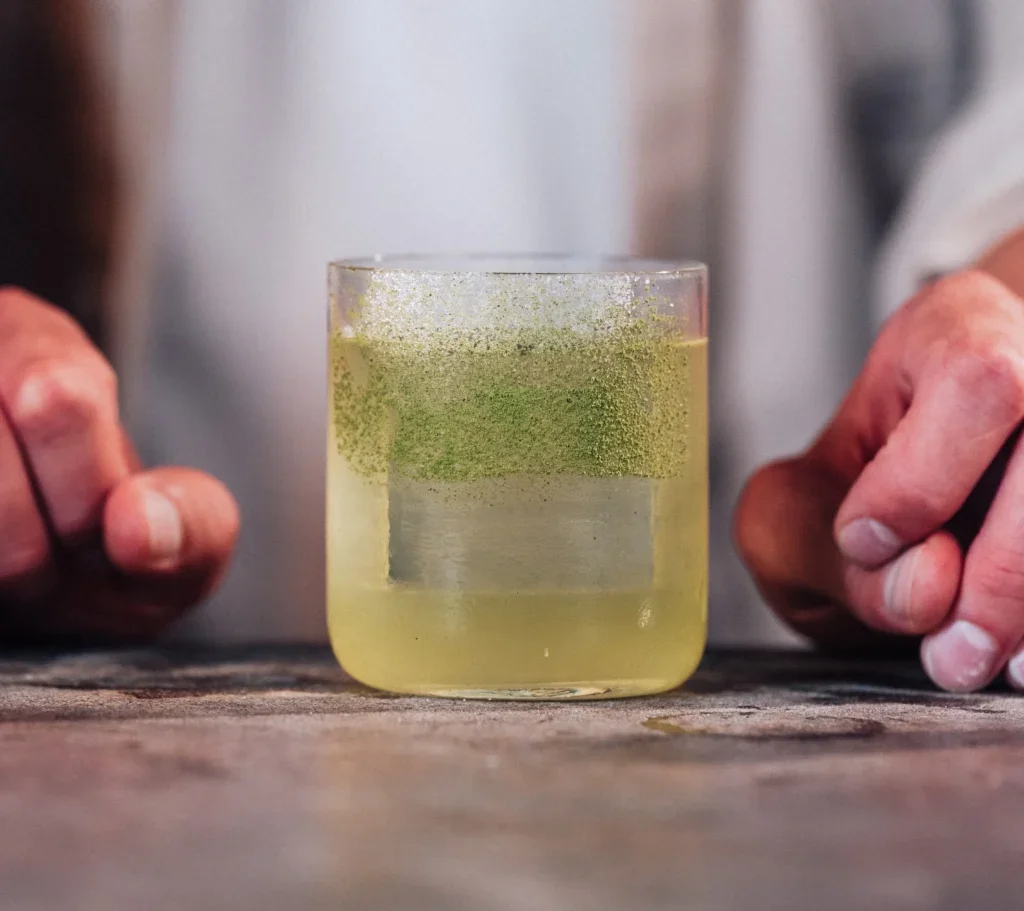
He uses them in “highballs” to highlight their aromas and freshness, such as in a “wasabi mule,” mixing an intense green and radishy wasabi vodka with soda and ginger vinegar.
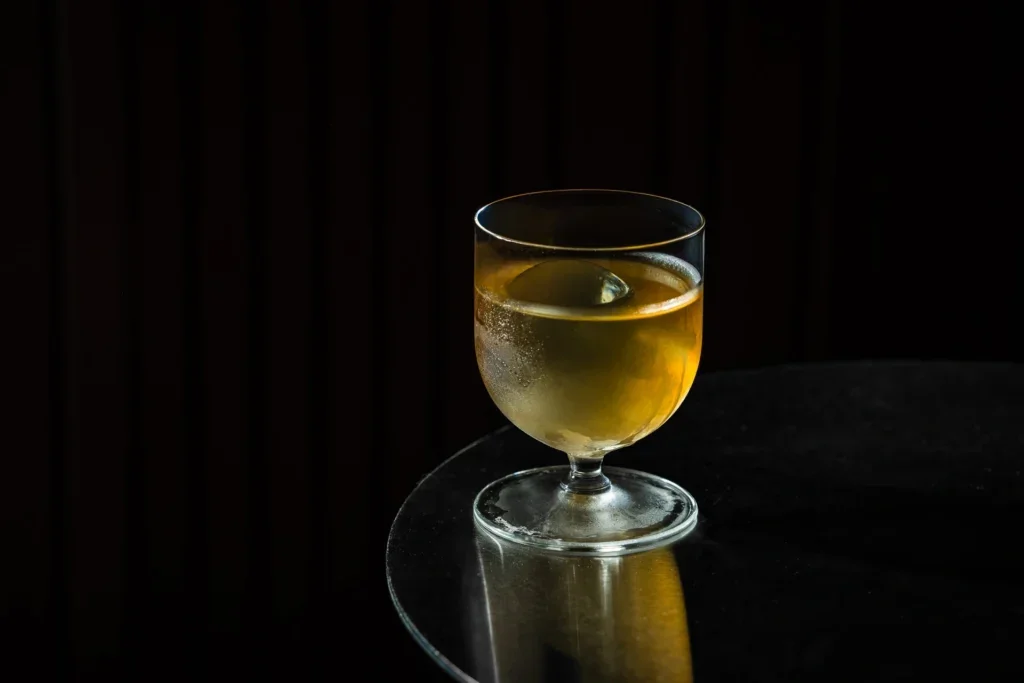
When Starowicz launched the mushroom liqueur, he saw it as more of a match for darker spirits, but discovered it really shone with agave: “The vegetal and savoriness of tequila really brings out the mushroom umami.”
Pairing vegetal with vegetal is a winner in drinks for Draper: “A Paloma split between tequila and cynar is magical. A white Negroni with a base of cachaça and mezcal can be a transcendental experience.” Indeed, split-basing is also a top tip when it comes to balance, she says. A fully agricole rhum “daiquiri,” for example, might be too intense, but adding it to a rum blend makes it shine. “Split basing within and outside of the world of vegetal spirits very easily creates complexity, nuance, and body in drinks.”
“Less is more,” agrees Tyler Zielinski, The World of Fine Spirits’ resident bartender. He loves using a barspoon of La Tomato Liqueur in his “garden margarita” — “it has that savory tomato vine note but the liqueur is really juicy” — alongside tequila, mezcal, sake, and cucumber cordial. It also works wonders in a “martini” as “some savory seasoning.”
Another favorite is Californian producer St George’s Aqua Perfecta Basil Eau de Vie, made using two different basils: buttery and green Genovese, and bright and spicy Thai. “It’s one of my favorite eau-de-vie for mixing when I’m trying to add herbaceousness for a savory cocktail,” Zielinski says, advising that, while a bit shy on the nose, it lingers on the finish, so it’s best to use it sparingly.
That Reisetbauer carrot eau-de-vie? Make it shine in a “martini,” lengthen it in a “highball” (“CO2 will give you more aromatic pop”) or just drink it on its own. “It really is that delicious,” he says.
Perhaps most pertinent, though, are the feelings and memories they can evoke in the people you share them with. “Vegetal spirits add a lot of seasonality and bring with them memories and familiarity,” says Draper fondly. Tomato notes might remind you of a romance on a summer vacation abroad, freshly cut grass of a parent mowing the lawn, or earthier base notes of fall walks with a friend.
Whatever they remind you of, she says, one thing is universal: “Drink your veggies.”