To the vast majority of whiskey drinkers, consistency is key – a marker almost as crucial as quality.
When they reach for the latest bottling of, say, Pappy Van Winkle 20, they expect it to deliver the same dark cherry, cinnamon, and clove characteristics for which it is globally renowned. But for a certain subset of connoisseurs, a small measure of variance isn’t just preferred: it is exalted. For them, an entire cottage industry exists, coloring some of the most well-known labels on shelves with idiosyncrasy and nuance.
Behold the single barrel program. If you don’t know about the practice, it’s high time to learn; it’s been a staple amongst collectors, beverage directors, and bottle shop owners throughout much of the 21st century. To understand the allure, let’s examine how they come into being. As organic storage vessels, oak casks fluctuate in terms of what they impart upon the whiskey slumbering within their staves – even when that whiskey rolled off the same stills and when said casks are sitting directly next to one another in a warehouse over comparable periods of time.
In conventional practice, whiskey makers “blend out” these fluctuations, forming a baseline expression by marrying juice across hundreds or even thousands of these barrels before bottling. But as the name suggests, single barrels are the result of unmarried casks, which certain distilleries will make available as standalone offerings to restaurants, bars, or just deep-pocketed whiskey fans.
In a world where “small batch” is frequently bandied about as a signifier of exclusivity, you can begin to understand why a single barrel excites these discerning purchasers: a batch doesn’t get any smaller than a solitary cask. Indeed, some of the highest-priced and most sought-after labels of the past two decades are liquids drawn from these unmarried outliers.
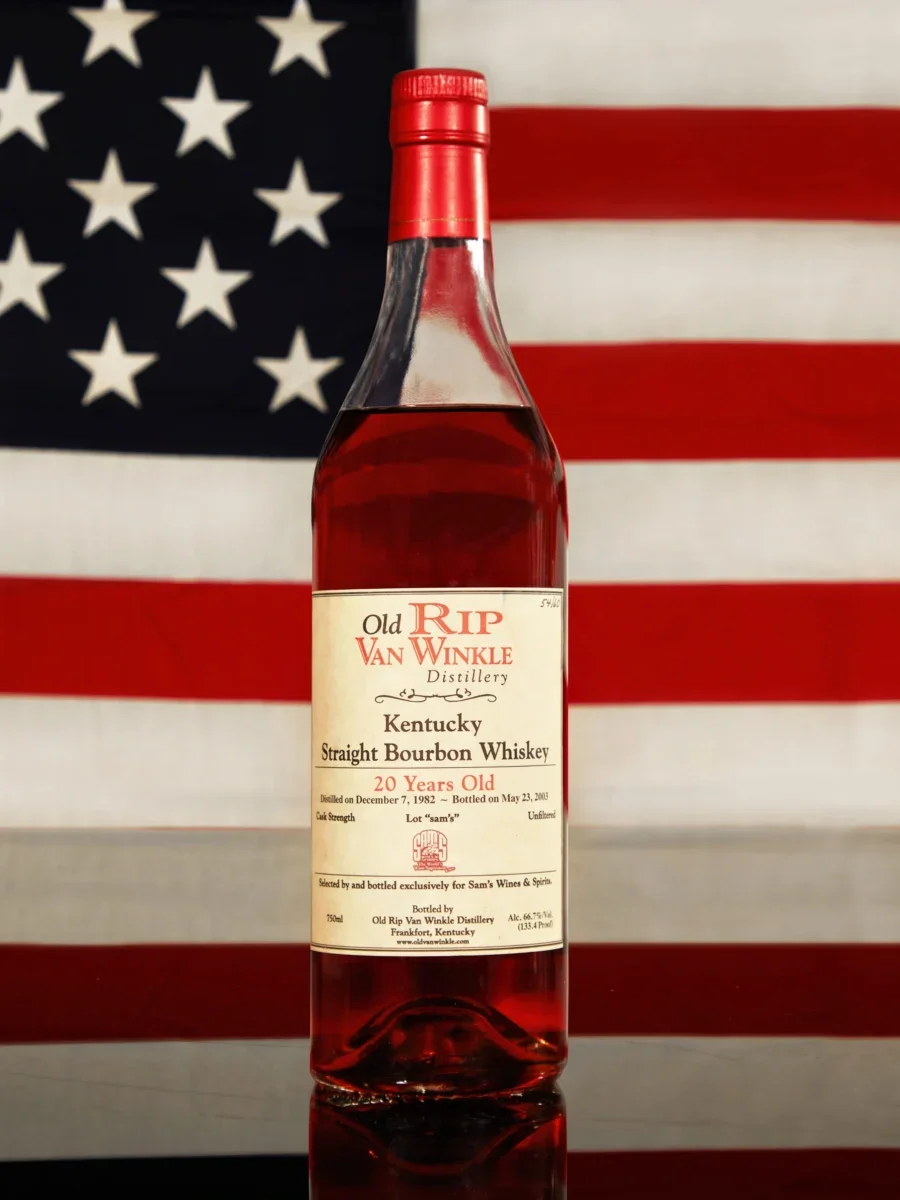
In 2006, Brooklyn bottle shop owner LeNell Camacho Santa Ana began acquiring several single barrels of rye originally distilled at the now-shuttered Bernheim distillery, 22 years prior. Today that legendary liquid sits in the glass as Red Hook Rye and is worth as much as $100,000 per bottle at auction. Last January, Sotheby’s New York broke a record for the most expensive bottle of American whiskey ever auctioned: $162,500 for a 20-year-old Old Rip Van Winkle.
Compare that to a typical bottle of 20-year-old bourbon from sister brand Pappy Van Winkle, which can be found for $2,500, even on less-than-friendly secondary markets. But that record-breaking Old Rip was no typical bottle, far from it. It was plucked from a prized 2003 single barrel pick by Sam’s Wines & Spirits in Chicago.
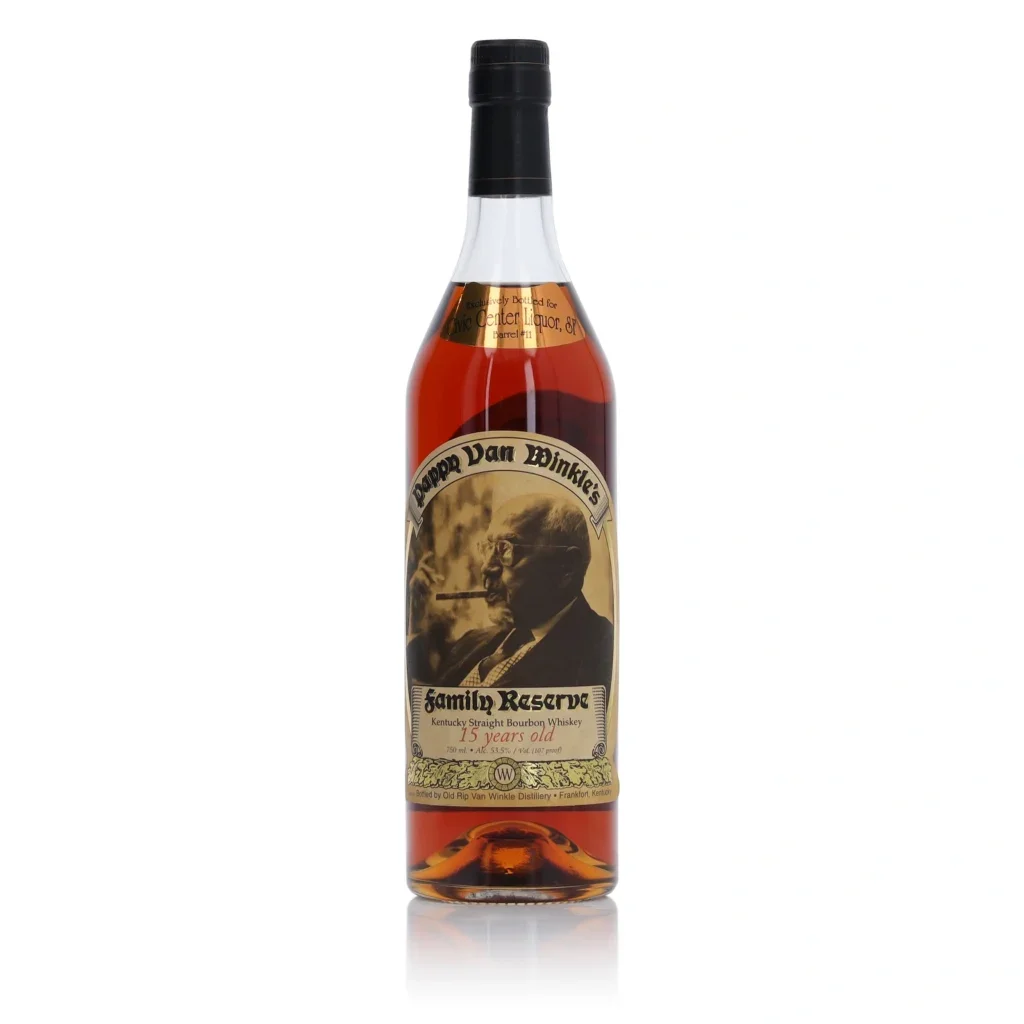
Earlier this year, I tried a sample pour from a single-barrel Pappy Van Winkle 15, a bottle of which Sotheby’s brought to auction this summer. Though it was largely true to style for a Buffalo Trace wheated bourbon of that particular age, this one delivered more florality to the nose and yielded more earthy funk on the palate than its standard “mass market” alternative. Beverage directors at bars often lean into this divergence when selecting which specialty casks to add to their programs.
“I would say our single barrel program is built on the philosophy of curating barrels that have the true DNA from any brand, while simultaneously showcasing why those brands are so beloved to begin with,” says Ylli Ferati of Fiori D’Italia in Anchorage, Alaska – one of the largest whiskey bars in the US. “We did two Russell’s Reserve barrels and chose sister barrels – two casks literally sitting next to each other in the warehouse, with opposing flavor profiles. Yet they still maintained true Russell’s profiles. They were both gone within a month or so.”
Beyond the enhanced flavors for anyone ordering a dram at the bar, and the prospective financial boon for collectors, single barrels also come with camaraderie, according to Mike Vacheresse.
“Picking a single barrel invariably brings me great joy,” says the owner of Travel Bar, an award-winning watering hole in Brooklyn. “The process, the people involved, the experience, it all is part of the product. The team I pick barrels with knows my palate, and I know theirs. It’s a collaborative effort; you talk through the reasons for your choice. And that conversation continues with my guests, when I have a hands-on conversation, selling them my picks one or two ounces at a time.”
“Our single barrel program is built on the philosophy of curating barrels that have the true DNA from any brand, while simultaneously showcasing why those brands are so beloved to begin with.”
Ylli Ferati
Ultimately, it doubles as a special sort of members club. And membership has its privileges, as it should: purchasing an entire 53-gallon vessel of spirit is a serious investment. Typical asking prices start at around $10,000. A common perk to sweeten the deal is an invite to the distillery in question, an all-expenses-paid opportunity to fly down to a Kentucky warehouse for an intimate tour… and to sample the goods, of course.
Unfortunately for the would-be purchaser, that doesn’t mean dipping a copper dog into any barrel within eyeshot. Most brands bring out less than half a dozen cask pulls, representing a varied cross-section of flavor profiles. Buyers then take their pick from what is a relatively small sample size. Exemplary results are ubiquitous across all parts of the country; notably in Austin, Texas, where I recently tasted a particularly custardy Heaven Hill Bonded, bottled exclusively for Jeffery’s. I also sampled a brown sugar bomb from Elijah Craig, bespoke for Lamberts. It paired pristinely alongside that restaurant’s revered slow-smoked barbecue meats.
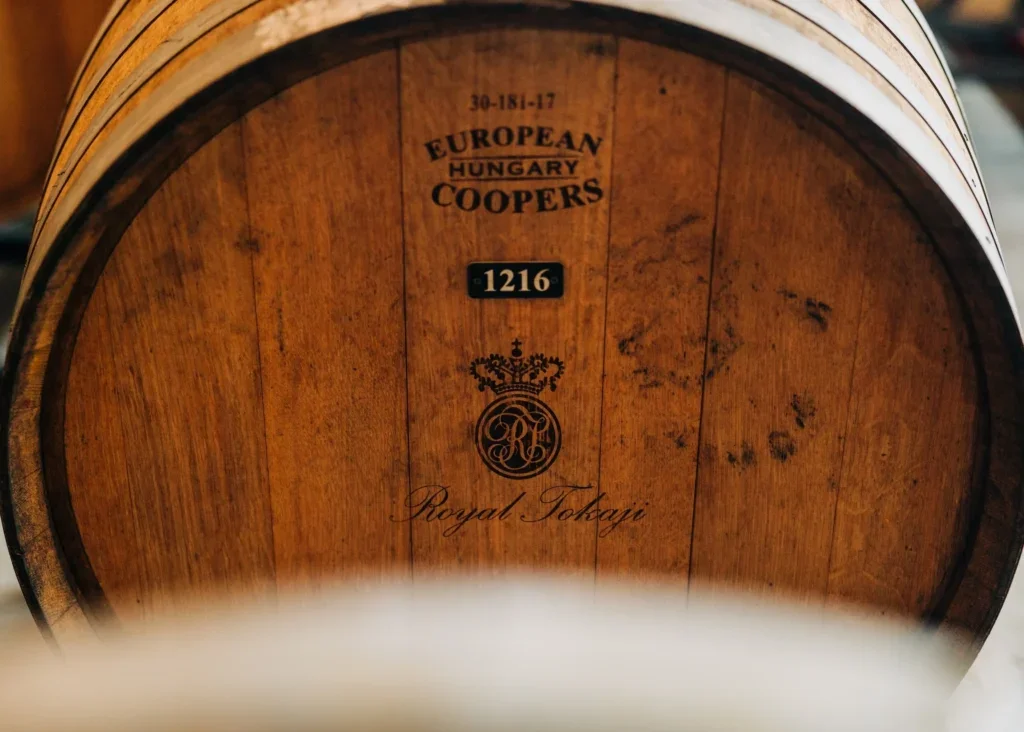
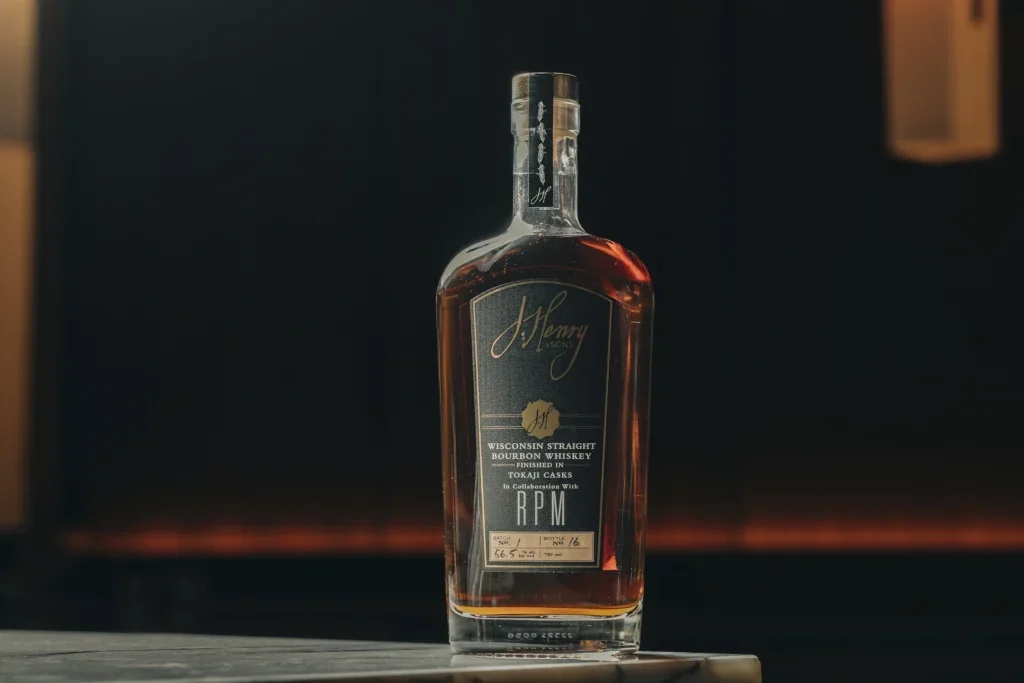
But the most ambitious on-premise barrel programs these days are determined to get even more bespoke with the process. At RPM, a collection of high-end steakhouse and seafood-focused eateries across Chicago, the beverage list is peppered with specialty whiskies finished in barrels sourced from the restaurant group itself, rather than the respective distilleries. A firm, dark fruity bourbon from J Henry is a fine point in case; it enjoyed secondary maturation in one of RPM’s Tokaji barrels. Soon to hit the menu is a cask strength rye from Sagamore, aged in oak seasoned with Passito Di Toscana Caratelli.
“These barrels are from wines that our team purchased in its entirety,” explains RPM beverage director Ben Lieppman, referring to the traditional Tuscan dessert wine. “Our wine team selects these wines the same way we choose single barrels for whiskey and tequila, then we send these barrels to various distilleries for custom aging projects.”
At Fiori D’Italia, several brands have even entrusted Ferati with blending some of his own single barrel offerings. “My favorite example so far has been with J Mattingly,” Ferati says of the bourbon maker based in Frankfort, Kentucky. “They let me blend what I want, and I’ve done ten batches so far. But I’ve also had a fun time playing around at Goodtimes. They helped me recreate Whistle Pig’s Boss Hog IX. We found a stellar rye and monitored it in a fig brandy cask. Our market crushed it, and we are currently working on a second batch.”
To be sure, most distilleries would be entirely reluctant to relinquish that much control to an outsider. Especially when it means a wholesale surrendering of that brand’s established identity or house style. But these are also challenging times for many producers. Challenging times can often lead to whimsical, unexpected solutions.
For Vacheresse, and many enthusiastic bar owners like him, single barrels aren’t about reshaping expressions so much as they are a distinct badge of honor. Something that still visibly bears the hand of its maker while also allowing room for his own fingerprint. Even an ever-so-slight deviation from the norm reads as a dignified feature rather than a flaw.
“I’m not looking for a particular proof or age statement,” he says. “I’m looking for the best barrels presented to me – from cask strength gin finished in Cabernet casks to whiskies from NDPs and heritage distilleries; these offerings set my bar apart and are a tremendous point of pride.”