The road to The Chuan Distillery winds through the mountainous landscape of Sichuan.
It climbs past bamboo forests, peppercorn groves and terraced tea plantations toward Mount Emei, one of China’s four sacred Buddhist mountains and part of a UNESCO World Heritage Site. This is one of China’s great tourist regions, famous for its giant pandas and spectacular scenery. Yet for most whisky lovers, and certainly most whisky writers, it remains almost entirely unexplored.
I am one of only a handful of Western journalists so far invited to experience The Chuan, as it begins its journey toward maturity. A maximum annual output of 1.5m liters may read as modest, but the $150m investment from Pernod Ricard is anything but. This is not just an attempt to establish a new distillery, but Chinese single malt as a category.
Even before I step inside the production buildings, the scale of the ambition is clear.
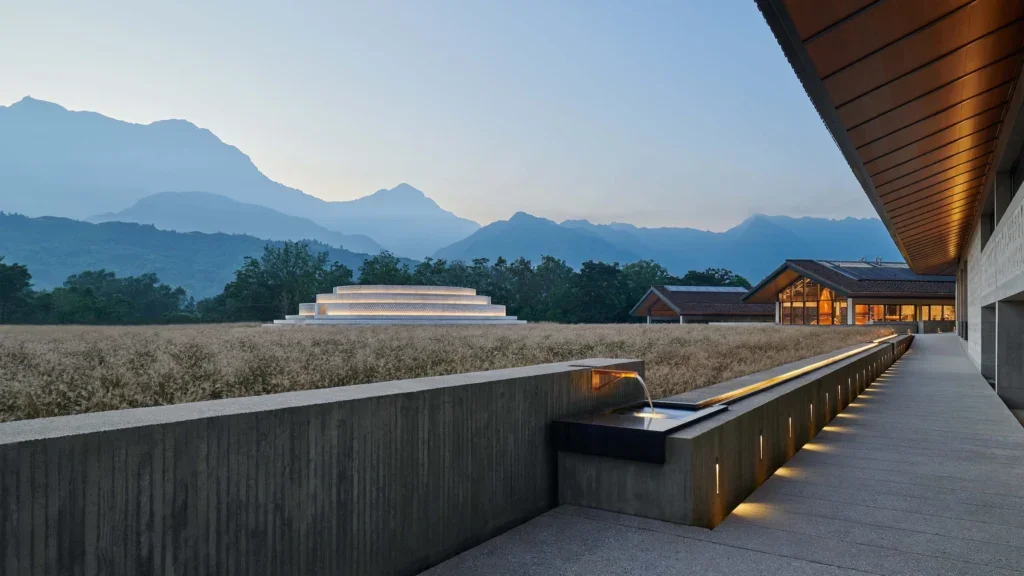
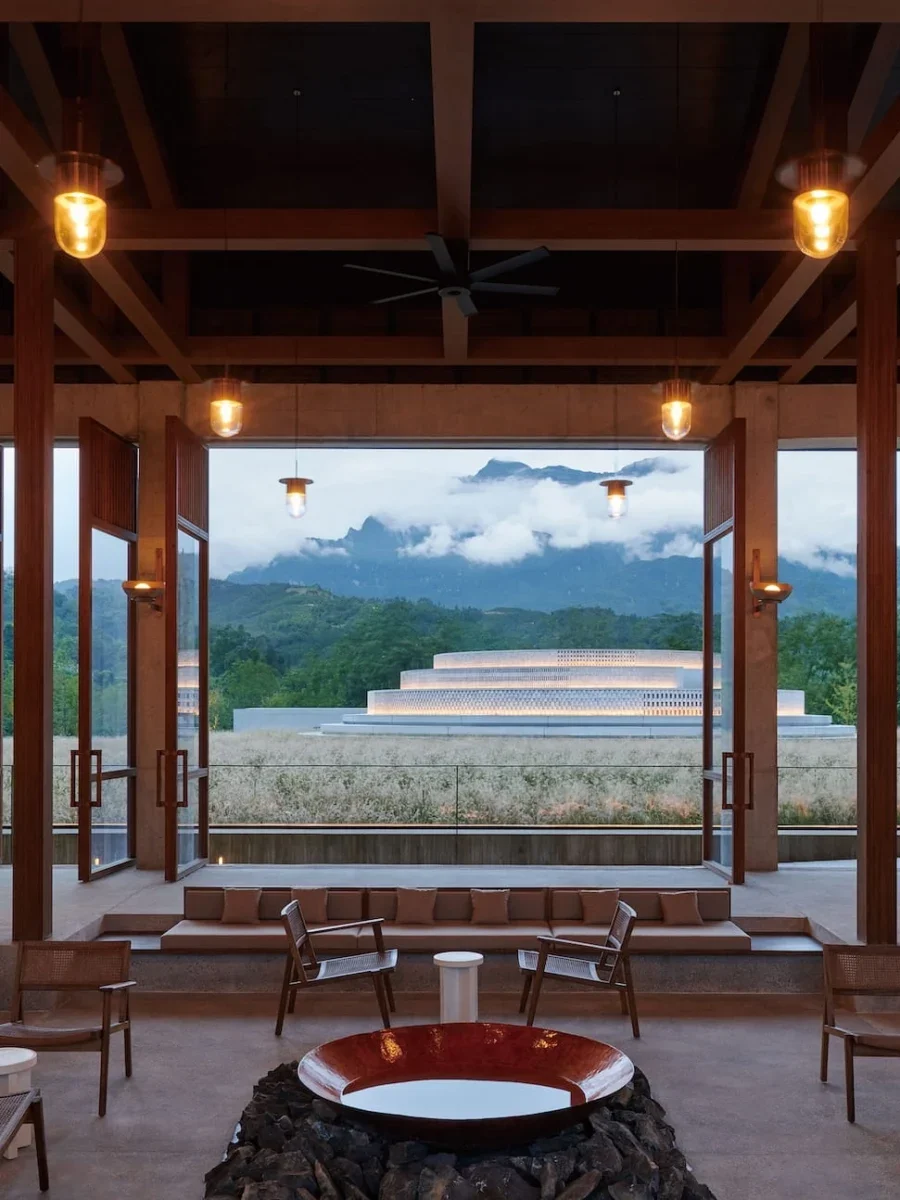
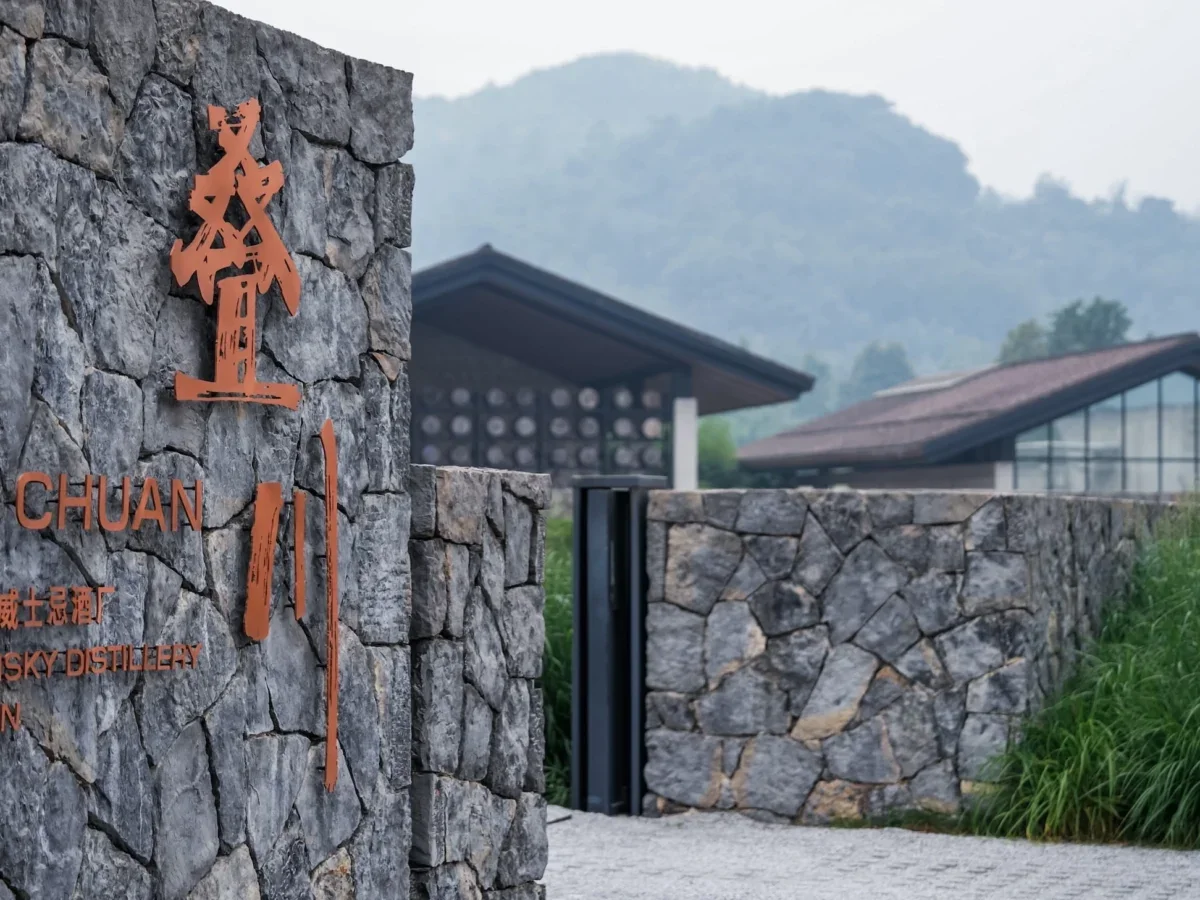
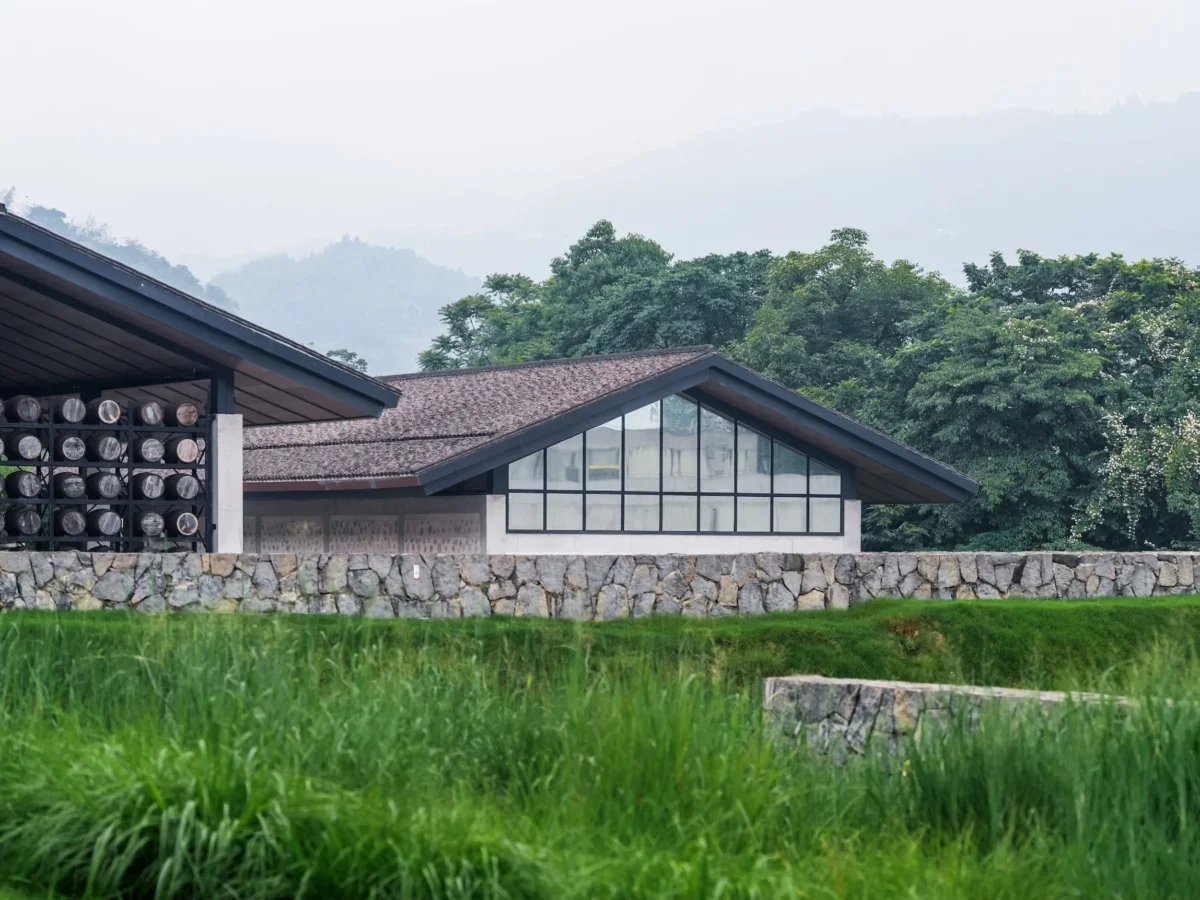
The distillery’s buildings seem to rise naturally from the foothills beneath Mount Emei. Designed by the acclaimed Shanghai practice Neri&Hu, they borrow nothing from Scotland’s distilling heritage of whitewashed walls and pagoda roofs, an aesthetic replicated across much of the whisky world. Instead, they feel unmistakably Chinese: understated, contemplative and quietly monumental.
The Chuan’s architecture may be what first captures your attention, yet it’s the production story that keeps it. Inside the extraordinary walls, the fundamentals of production remain recognizable: long fermentation, copper pot distillation on Scottish-made stills and maturation in oak. But it is in the details that Chuan begins to depart from convention.
“Flavor over yield is our unwavering principle of craftsmanship,” reads one of several statements displayed around the site. That principle is expressed through fermentations lasting more than 100 hours across 14 washbacks, producing a wash of around 9% alcohol, higher than is typical in Scotch whisky production.
At the center of this effort is Dr Yang Tao, who occupies a role unlike almost any other master distiller working today. Most inherit a tradition; he has been tasked with creating one.
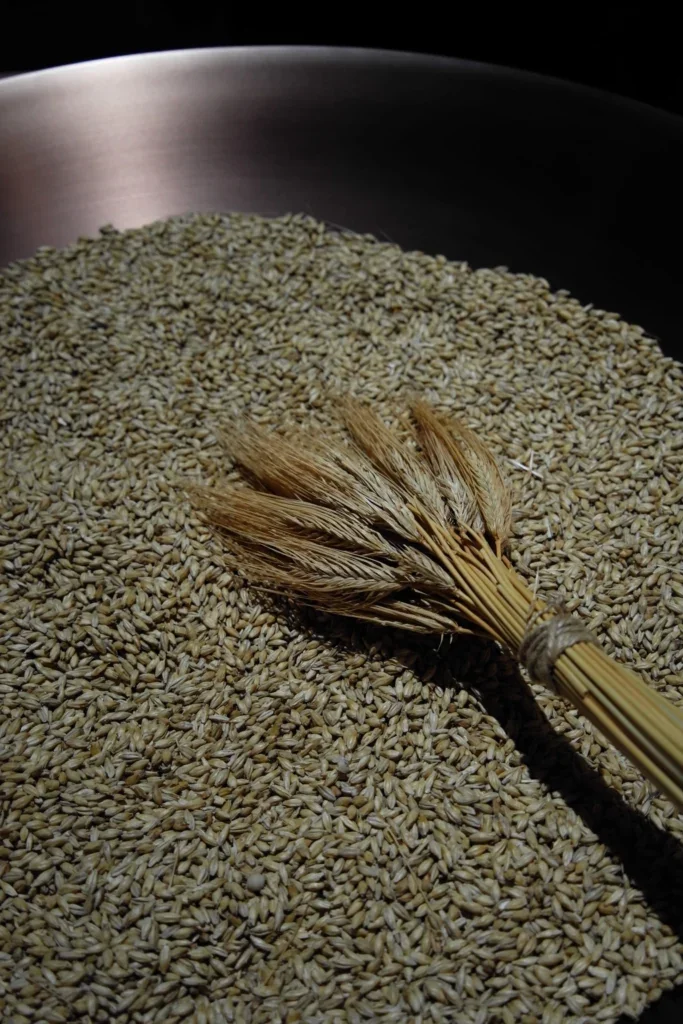
The Chuan works with two types of barley: European two-row malt and Chinese six-row barley. The latter produces a lower yield, but, according to Dr Tao, brings greater texture. The two spirits are distilled and matured separately, and the contrast between the new makes is striking: the Chinese barley spirit is richer and oilier, with a more pronounced depth of malt.
Drawing on his experience of whisky-making in both Scotland and China, Dr Tao’s challenge is to answer a fundamental question: What should Chinese whisky taste like? His answer sounds deceptively simple.
“We are embracing the heritage, traditions and craftsmanship of malt whisky, but also influencing them with local characteristics,” Dr Tao says, referring in part to the spirit made from local barley.
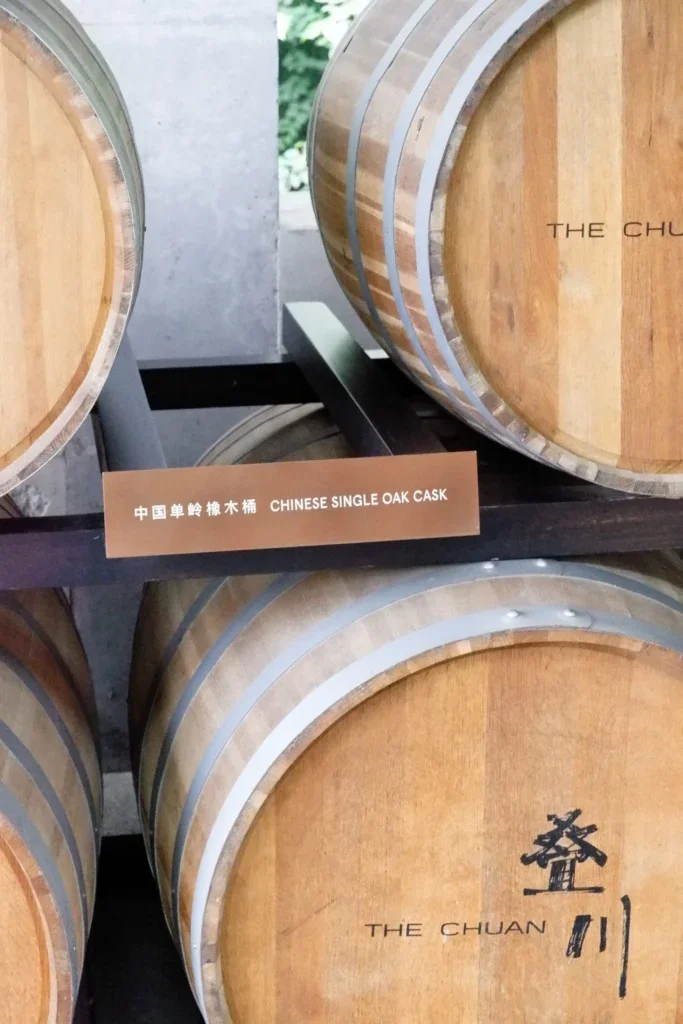
Yet it is in the warehouses that he and his team are at their most innovative. Alongside the Chinese barley, they are maturing new make in American oak barrels and European oak casks, but, more intriguingly, bespoke casks made from Chinese oak.
Chinese oak is difficult to work with. The available trunks are shorter, more twisted and less accommodating than the straight-grained American oak traditionally used for barrels. A new coopering technique had to be developed. The result is a cask constructed from thinner, narrower boards, nicknamed “piano staves.” Each 225-liter cask requires over 75 staves, more than twice the number typically used in a standard bourbon barrel. The wood is then toasted to release notes of incense, pine, and lemongrass.
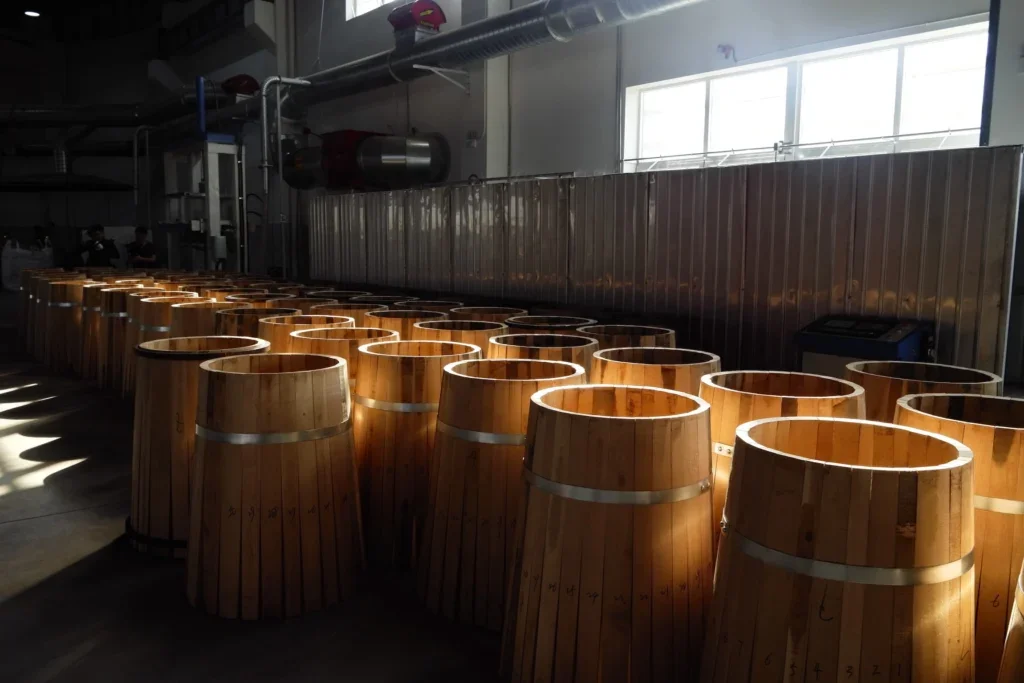
The distillery works with two cooperages for its Chinese oak, one purpose-built for the task just ten minutes away. Most strikingly, Dr Tao is the only whisky-maker I have encountered who selects certain staves primarily for flavor, and others for aroma, according to the way the timber has been grown and cut. It is attention to detail on an obsessive scale.
As we enter the distillery’s warehouses (all stock is currently matured on site, with the angels’ share running at around 6%), Dr Tao is keen to show how the Chinese-barley spirit is developing in Chinese oak. With spirit first running from the stills in 2021, the earliest stocks are now approaching five years old, and Dr Tao already has a cask waiting to be tasted.
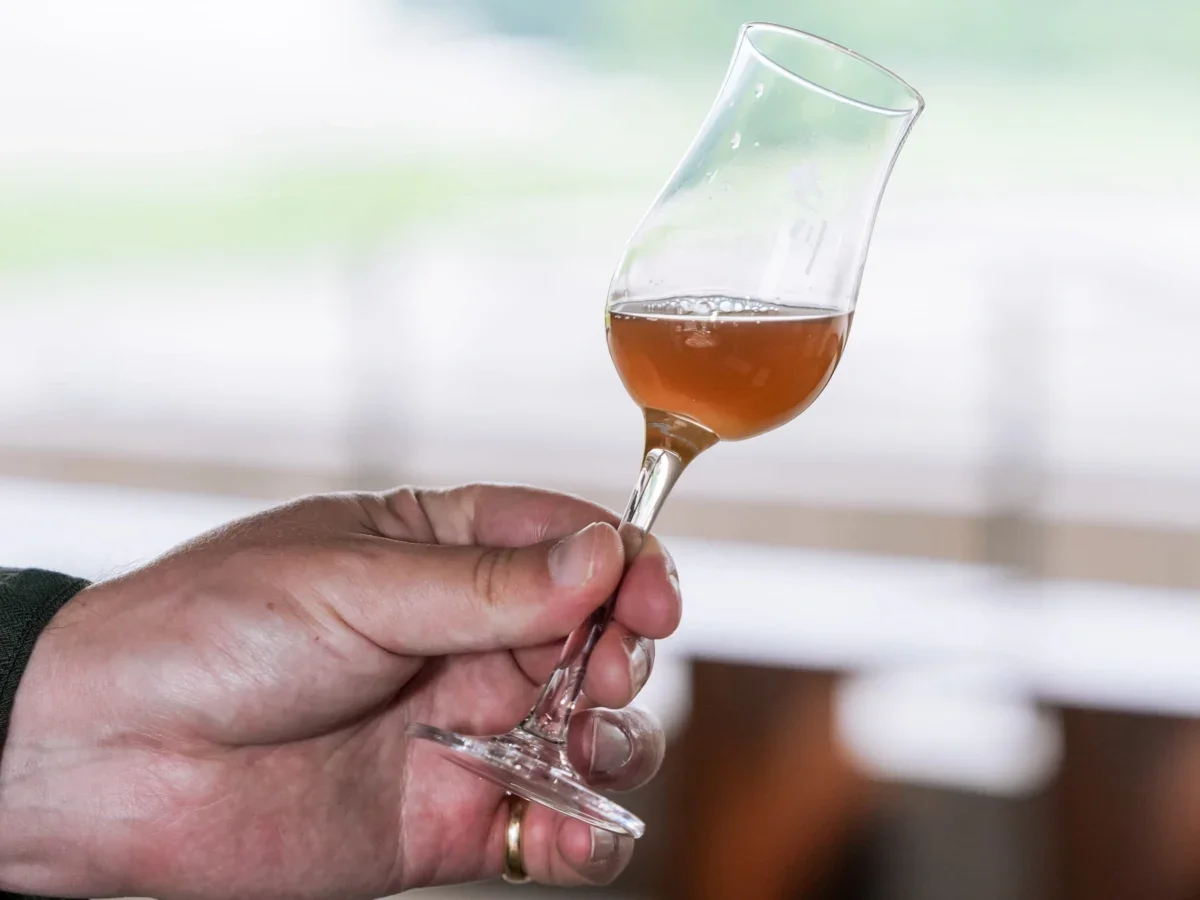
The result is a whisky that is malty and floral on the nose, with jasmine tea, white musk, lily of the valley, petrichor and a back note of oud, spice, and autumnal forest floor. On the palate, the spirit is rich and oily in texture, yet light in flavor. Think lemon meringue pie with a crunchy, earthy biscuit base, eaten in the resinous warmth of a cedar-lined sauna. A finish of jasmine tea gives me reason for another sip, even at natural cask strength.
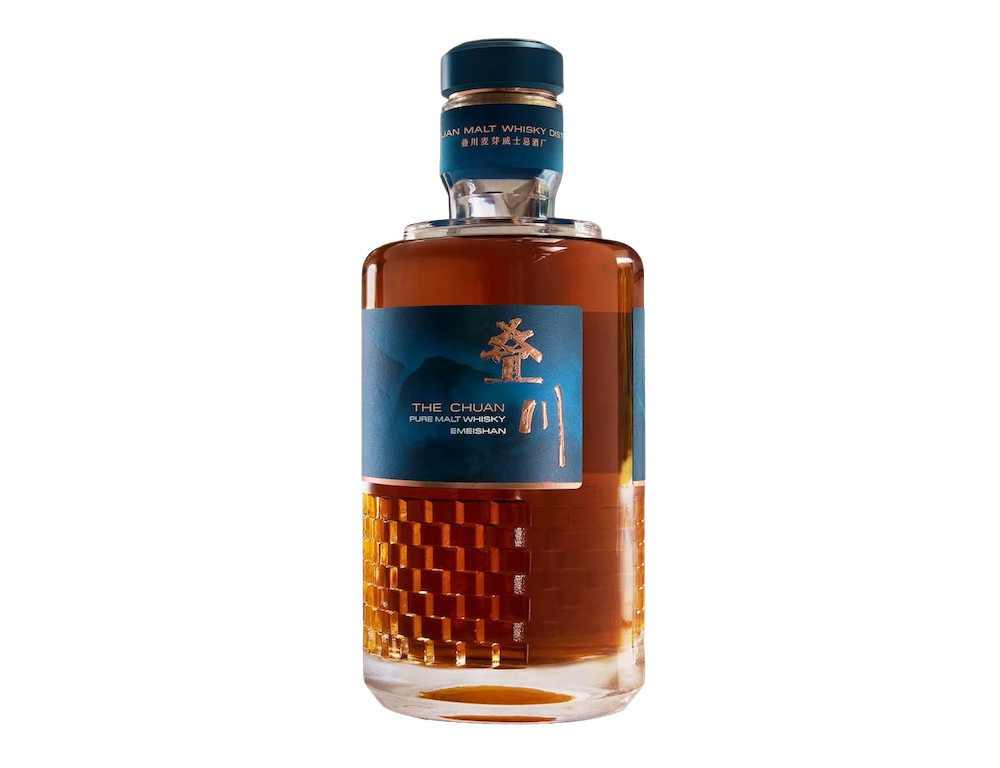
The whisky being made here is not yet ready for full release. The Chuan whisky currently on sale is labeled as a pure malt: an assemblage of mature Scottish single malt and younger-aged whisky produced at the distillery. It is an accomplished bridge toward the entirely Chinese-made whisky that will follow, in Dr Tao’s words, “when it is ready.”
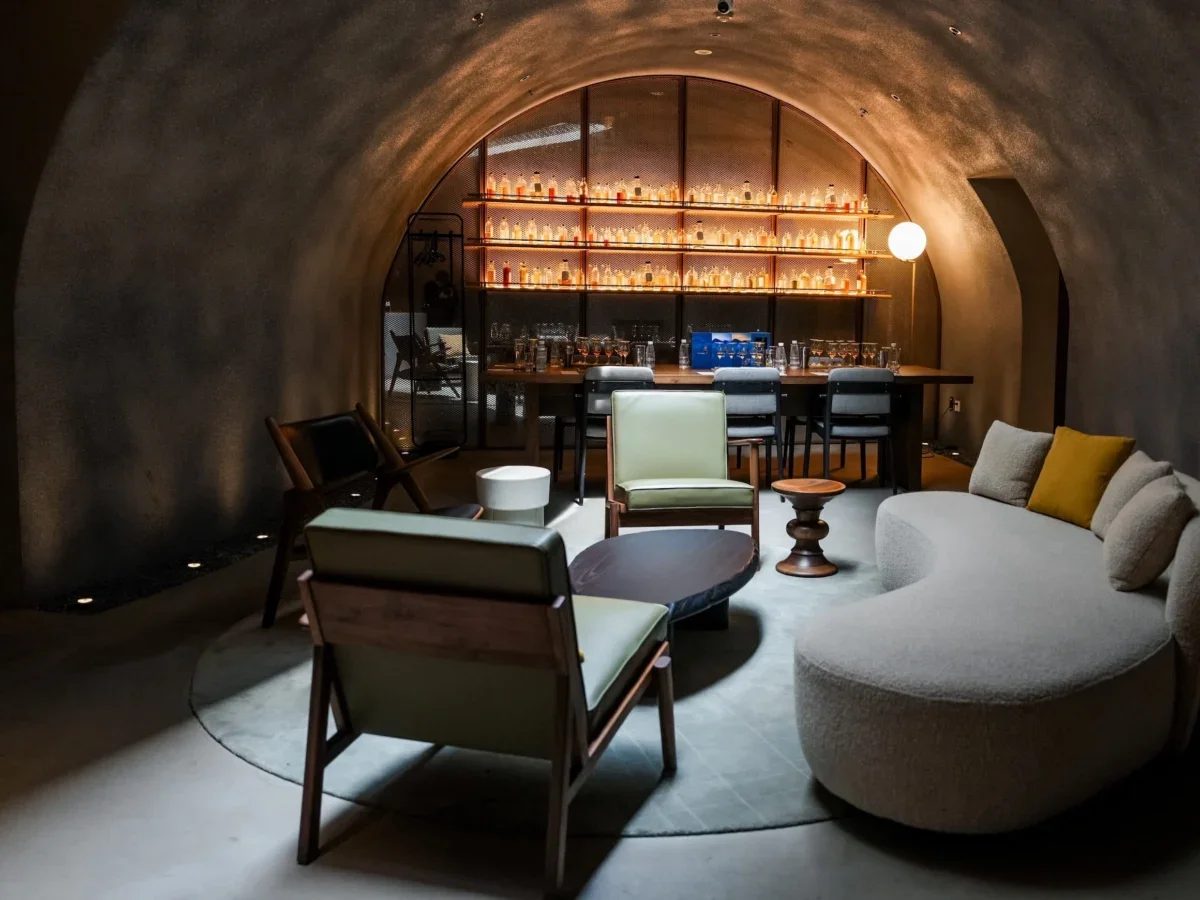
Obsessive detail and design continue in the visitor experience. The tasting pavilion, known as The Circle, is partially hidden beneath the earth, centered on a dramatic rain-inspired water installation and five intimate subterranean tasting rooms.
The part that emerges from the ground mirrors the terraced smaller peaks leading to the summit of Mount Emei in the distance. Opposite, The Square contains a restaurant and bar serving refined Sichuan cooking while framing views across the distillery and over the lush territory beyond.
It feels less like touring a factory and more like wandering through a contemporary art gallery devoted to whisky. Walking back through the courtyard for the final time, I find myself thinking about the poet Philip Larkin.
Rumors of whisky’s demise are hardly new. Every downturn in sales, every correction in inventory and every shift in drinking habits seems to prompt another prediction that the great whisky boom has finally run its course. Today, as demand softens in markets including China, the refrain is becoming familiar once again.
Although an atheist, Larkin found himself repeatedly drawn into Britain’s churches, buildings that had survived wars, reformations, industrialization and centuries of changing belief. In Church Going, he concluded that they would always matter because each remained “a serious house on serious earth.”
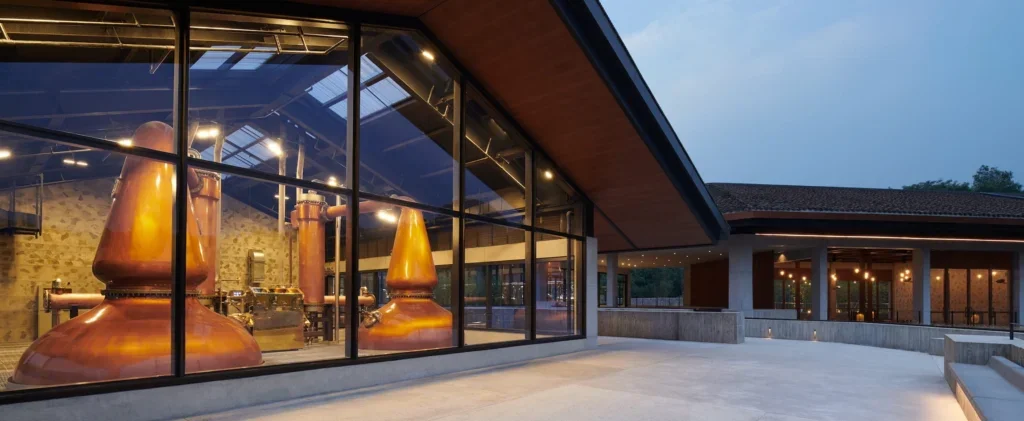
It is difficult not to arrive at the same conclusion. Markets rise and fall. Warehouses fill and empty. Drinking fashions come and go. Great distilleries are built to outlast them all. Whisky is measured in decades, not quarterly results, and the spirit maturing in cask has little regard for today’s headlines.
The Chuan is already offering a world-class visitor experience, with numbers growing primarily among those traveling from the vibrant and expanding nearby city of Chengdu. Yet this distillery was built for tomorrow’s drinkers rather than today’s.
In the process, The Chuan has embarked upon something more ambitious than proving that credible single malt can be made in China. It is attempting to define what Chinese single malt means: in flavor and process, certainly, but also in personality, culture and its relationship with place.
Like the architects who conceived The Chuan, Dr Tao is laying foundations for Chinese single malt. Whether history remembers him as the father of the category remains to be seen, but it may remember him as the creator of its distinct voice.
Standing in the shadow of Mount Emei, with one of the world’s newest whisky distilleries taking its place in an ancient landscape, I find that potential obvious.
Larkin understood that some places outlive the fashions that created them because they answer something more permanent.
The Chuan already feels like one of those places. A serious house on serious earth.