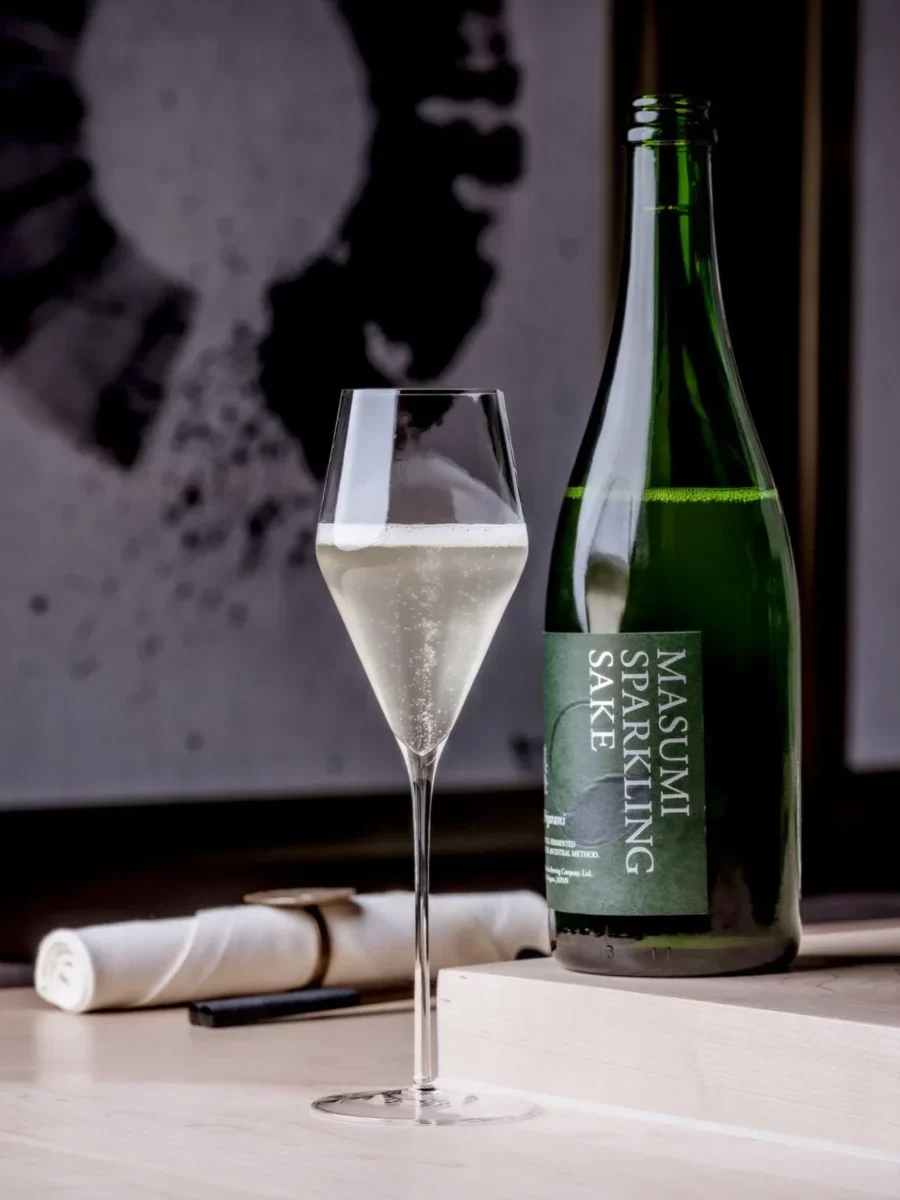
While a cultural phenomenon in its native Japan, saké is still a misunderstood drink in the Western hemisphere.
Yet it feels poised to become the next big discovery for the seasoned spirits drinker – despite not being a spirit at all.
With centuries of craft behind it and a distinct framework of flavor categories and drinking rituals, it shares a great deal with some of our most cherished home-grown spirits.
Often described as rice wine, saké is so much more. Here lies the conundrum it has faced for decades in Western eyes: as a category, it is notoriously challenging to pin down.
“To make things simpler for drinkers, we simply call it a ‘rice alcoholic beverage’,” explains Michele Orbolato, head of wine and saké for Thesleff Group. This group owns Luna, an Omakase dining experience with a formidable saké offering, and now MA/NA Mayfair, London’s latest sanctuary for high-end Japanese cuisine. MA/NA boasts one of the most comprehensive saké lists in the UK. “It has so many parallels to wine and spirits,” Orbolato says, “but offers something completely new at the same time. It’s magical once you dig a little deeper.”
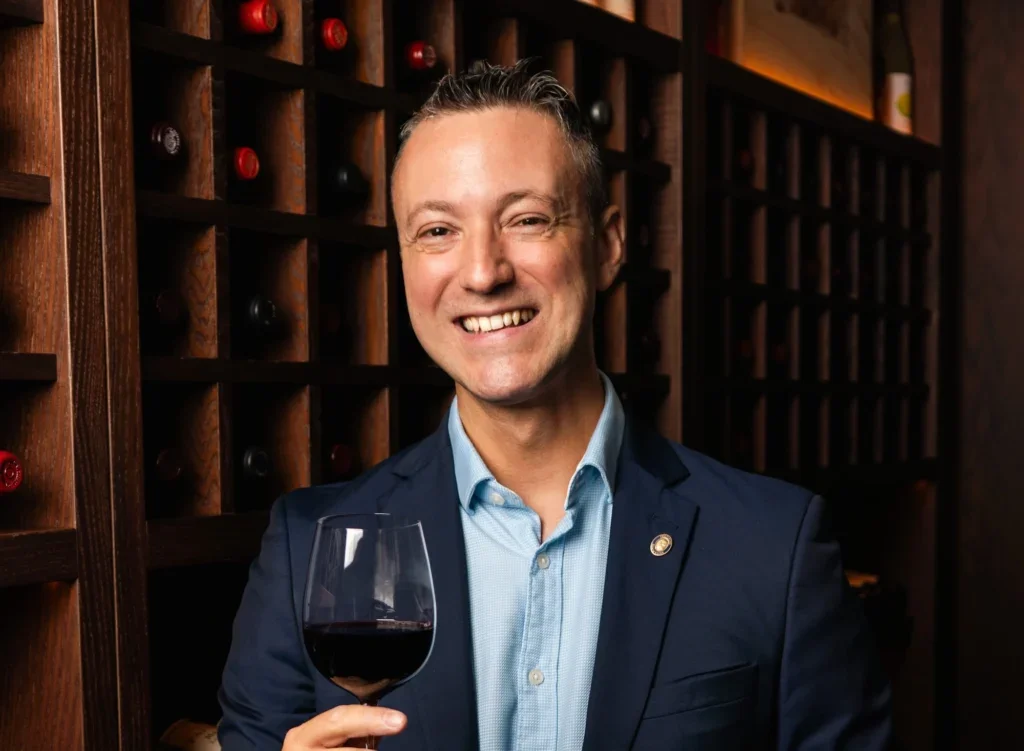
That magic, as Orbolato describes it, is a distinctive personality shaped by a combination of factors: the purity of the water and rice grains at its heart; the surrounding landscape; the skill of the craftspeople; and a production process that has evolved for more than 2,500 years.
First though, it’s time to put a misconception to bed:
Despite the comparison to wine, saké is actually brewed more like beer. Carefully ‘polished’ rice grains are used to create a cleaner, more aromatic profile. What to look out for here is Junmai, the most prestigious style, where the raw materials come to the fore through fermentation: “Something perhaps closest to the qualities of a single malt whisky, in many respects,” notes Orbolato.
“It has so many parallels to wine and spirits, but offers something completely new at the same time. It’s magical once you dig a little deeper.”
Michele Orbolato
Much of the entry-level ‘table’ saké is classified in the aruten category. This means that neutral alcohol (and occasionally sugar) has been added to broaden and stabilize the liquid. Whilst this in itself is not considered inferior (there are highly regarded sakés categorized under the Ginjo style, where a small percentage of neutral alcohol accents the silkiness and fruitiness of the saké), it does highlight the simplistic beauty of premium saké.
The fermentation in these naturally pure Junmai sakés results in an unusually high alcohol content of around 20% ABV before the liquid is diluted to bottling strength. Central to the process is koji, a prized mold culture that has been revered by the kura (brewery) masters for generations and is responsible for much of a saké’s complexity. The resulting flavor spectrum is remarkably broad, largely down to the unique ‘polishing’ or Seimaibuai process that’s akin to the artistry of creating a beautifully cut diamond.
The more of the outer husk coating of the rice grain is polished away, the more of the fat and protein elements are removed. Reducing the funkier, heavier flavors gives the starchy, white heart of the grain – the shinpaku – a chance to shine. The higher the polishing ratio – leaving only around 40-50% of the husk – the more delicate floral notes and crisp orchard fruit flavors are released through fermentation, known as Junmai Daiginjo saké.
Consider another whisky comparison: a style such as Kimoto – where the fermentation often includes wild yeast – can be robust, rustic, earthy, dry and umami-led. In many respects this is akin to the coastal distinctiveness found in the single malts from Islay.
The temperature at which a saké is served is equally important: for Daiginjo saké the chilled optimum of 45° F will help to reinforce its elegant fruitiness, whereas the complexity of slightly drier styles such as Honjozo can benefit from being served around 59° F.
Once one begins to understand the production process, it becomes clear that the dedicated spirits enthusiast can navigate saké with more confidence, given a few parallels.
This is where the palate starts to become enlightened. When you realize that some of the most prestigious breweries such as Daishichi (which has been crafting high-end saké since 1752) and Tatenokawa (founded in the 1830s) are treated domestically with the same level of respect and reverence as The Macallan and Remy Martin, one can see why a single bottle of the rarest, highly-prized Junmai Daiginjo saké can fetch up to £2,900 ($3,900) on a bar menu.
There’s also the more modern phenomenon of ‘aged’ saké to consider. As a rule, the fresher a bottle, the closer you’ll get to the creative vision of the brewer. Older bottles don’t tend to improve over time, like First Growth fine wines, for example. However, a small-yet-burgeoning category of aged saké is starting to further bridge the gap for spirits enthusiasts. One of the true highlights on offer at MA/NA is a Denshin ‘Sei’ Junmai Ginjo saké, aged for 24 years. A combination of an unspecified time spent in oak and then in-bottle gives a nutty, spicy, almost chocolate-led quality, akin to a lighter palo cortado sherry.
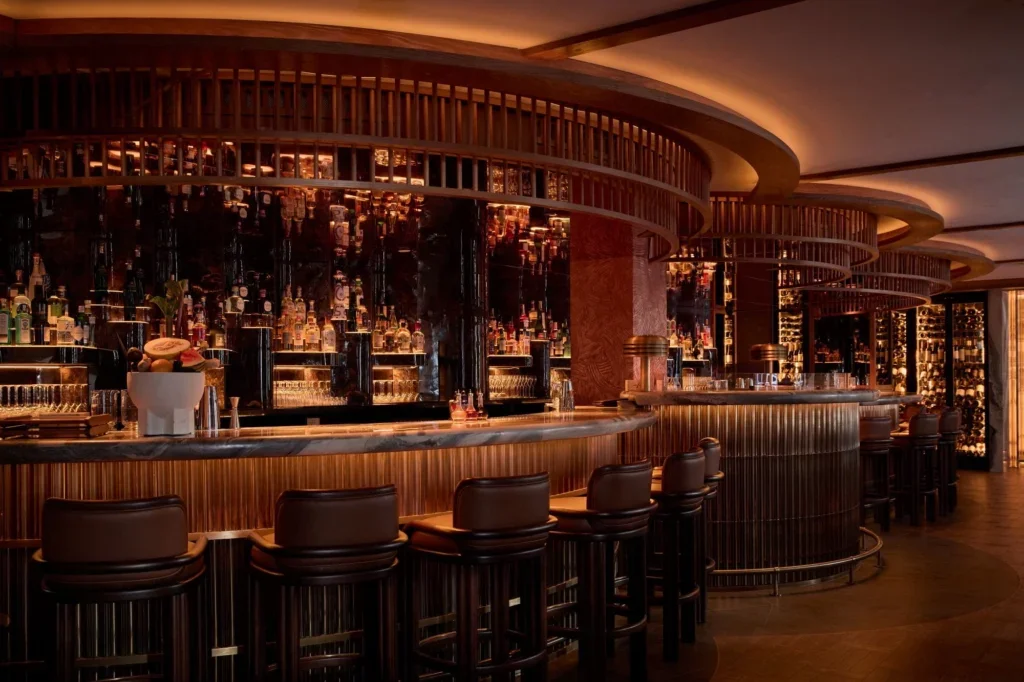
So, if you’re looking for something with a profound cultural authenticity, a complexity of flavor like no other, and a scarcity and provenance akin to some of the greatest dark spirits ever bottled, saké deserves your attention.
The appreciation for high-end saké isn’t just a localized endeavor anymore. Across London and New York, availability has skyrocketed thanks to dedicated bars, tasting flights, and perhaps more poignantly, food-pairing opportunities that lean into saké’s unique qualities.
Where to Try Sake in London and New York
MA/NA Mayfair, London
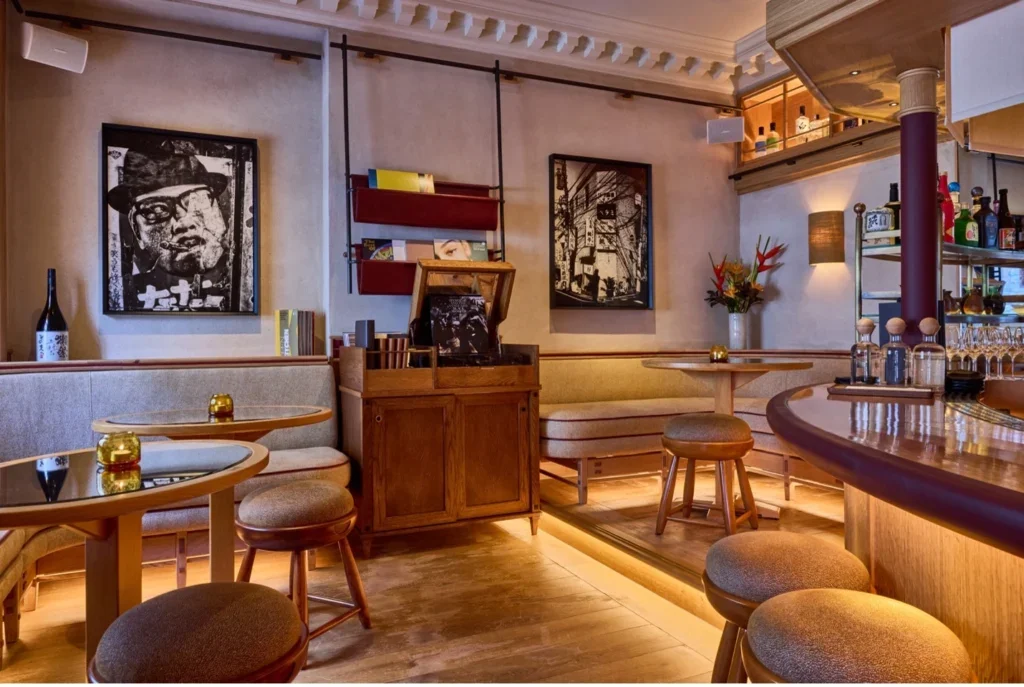
Opening its doors in May 2026, MA/NA bridges the gap between a gourmet Japanese dining experience and a dedicated saké bar. With a list of over 100 different saké expressions, curated by Michele Orbolato, it’s certainly at the more prestigious end of the pricing spectrum, but the treasure trove of rarities on offer more than makes up for it.
Grouping its offerings into specific styles (Junmai, Daiginjo, etc.) as well as historical breweries rather than flavor profiles, it gives consumers a chance to develop brand recognition, which is notoriously difficult in saké when the bottles can be almost indecipherable to the western eye. It also offers detailed tasting flights paired with small sushi plates, as well as a few unusual oddities such as Masumi ‘Origarami’ sparkling saké – naturally carbonated in the Pét-Nat style – with notes of ripe banana and orchard fruits.
Kioku Bar, London
Tucked away within Raffles at The OWO, this intimate Whitehall hideaway has quickly established itself as one of London’s most compelling destinations for saké enthusiasts. At its heart is an extraordinary collection of more than 100 expressions, assembled by renowned ‘Sake Samurai’ Natsuki Kikuya. The extensive selection spans revered traditional producers, contemporary craft bottlings – including four made in the UK – alongside aged saké and a fascinating exploration of different rice varietals. For those seeking something more unconventional, there are even examples produced with unpolished brown rice offering a richer, earthier character.
Decibel, New York
The godfather of NY’s now-burgeoning sake scene, Decibel is well over 30 years into leading the way in the appreciation of the intricacies of the drink, whilst firmly dispelling the complex barriers to entry which have made the subject matter so challenging to Western drinkers. Part speakeasy, part dive bar, in full possession of a dazzling array of sake styles, Decibel is the sort of place that makes you easily fall in love with a new drinks category. There’s its non-pretentious, reasonably priced menu containing a choice selection of Junmai and Honjozo styles alongside beginner’s flights, weekly recommendations, and saké-based cocktails.
Sakagura, New York
Located in Manhattan’s Midtown East, Sakagura is a pioneering outlet educating eager drinkers in the intricate ways of saké since 1996. As a restaurant, it styles itself on small shareable plates; sushi and sashimi being the specialties, but it also boasts a saké list of over 260 different expressions, making it one of the largest selections in the city.