When you fly into Inverness Airport on a clear day, the view can play tricks on you.
Below, long arcs of pale sand trace the Moray Firth coastline. The sea flashes turquoise in the sunlight. Squint hard enough and, for a fleeting moment, you could almost imagine yourself descending towards some distant Caribbean island.
Then the clouds roll in. The beaches remain, but the illusion evaporates.
This is Scotch whisky country, after all. A landscape shaped by granite, heather, and weather systems that seem to arrive fresh from the North Atlantic with a personal grievance. The tropics, this is not.
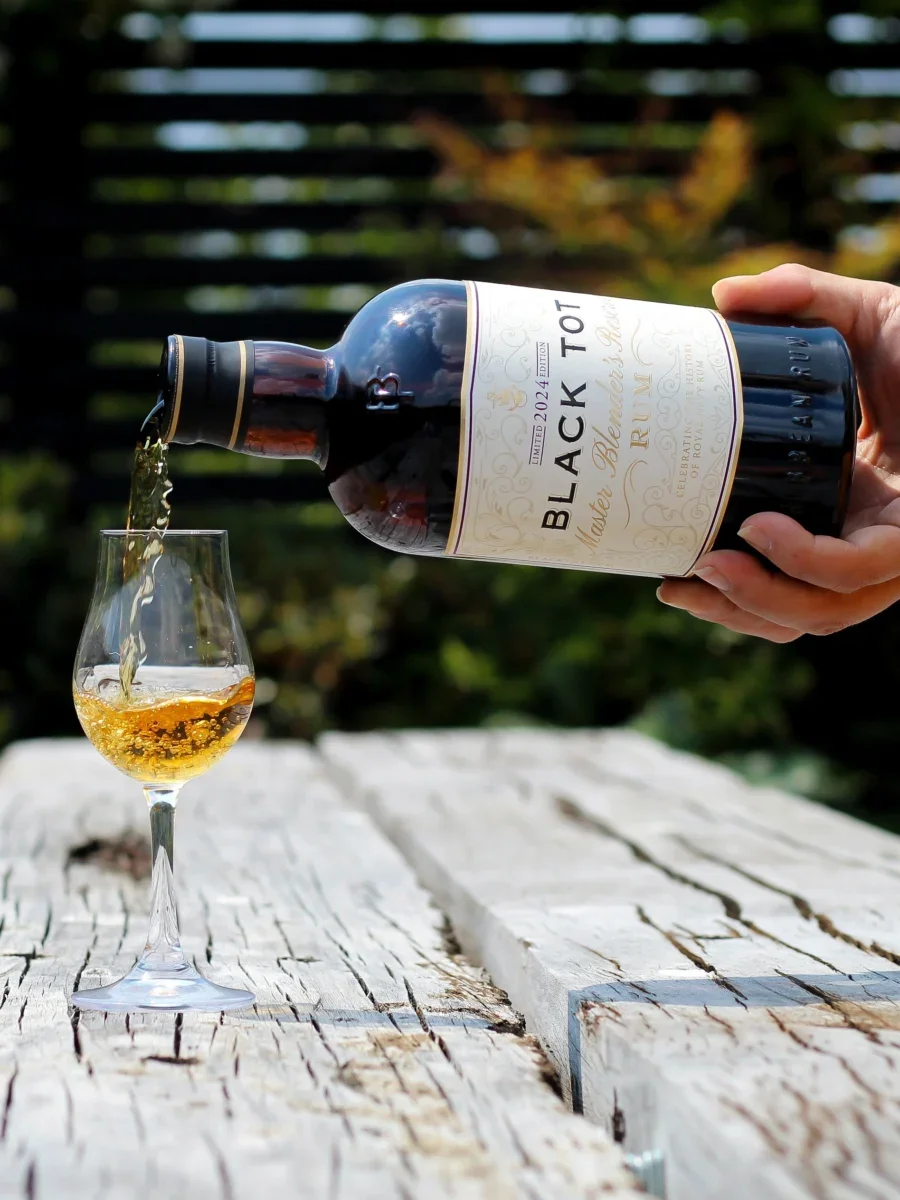
I had made the journey to this most sacred region, not for the local distillate, but for Black Tot Rum, an immigrant spirit that has found a home among kindred souls: blenders, warehousemen, and custodians who understand that the most important ingredient in any great spirit is time.
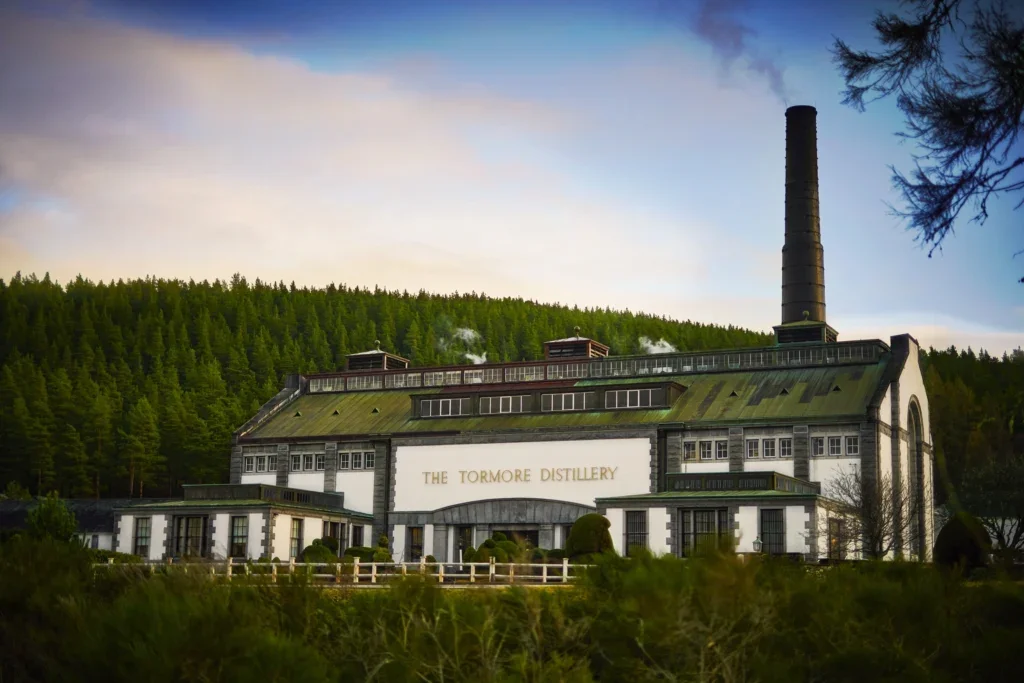
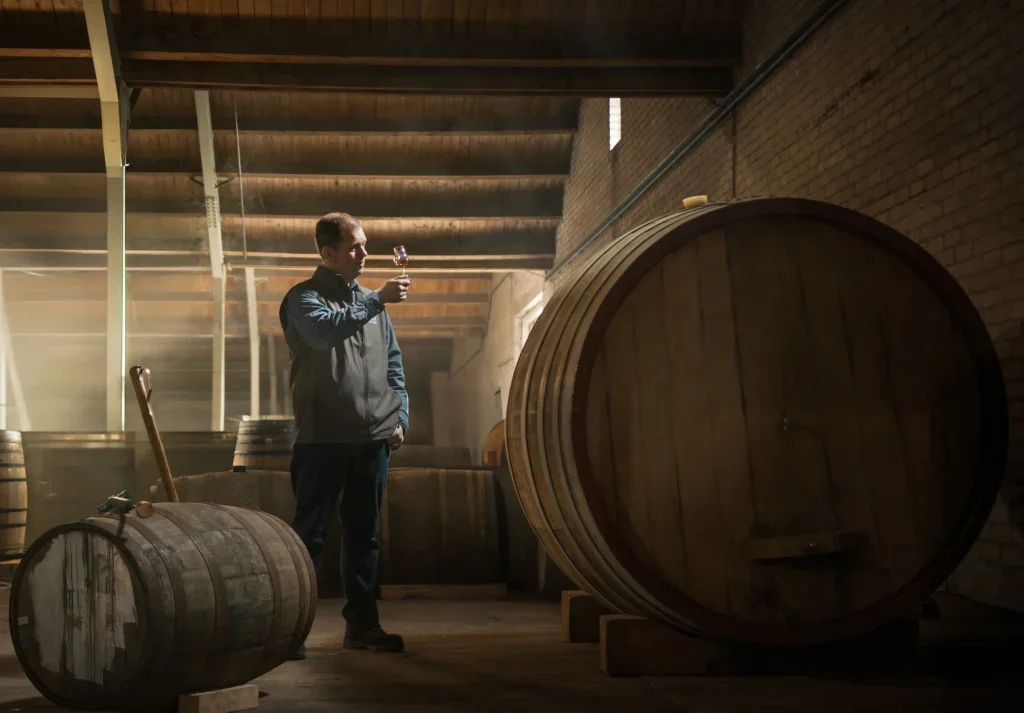
From Inverness, I traveled west to Tormore Distillery to see Black Tot’s story unfold. Not in a stillhouse, nor in a warehouse packed with barrels, but in the installation of a giant blending vat. An oversized cask that, at first glance, seems wholly to unbalance your perspective.
This vat is due to become the bedrock of Black Tot Rum. In time, every drop bottled under the Master Blender’s Reserve banner will pass through it. For all the romance surrounding the Royal Navy, daily rations, and Black Tot Day, the modern Black Tot story is not really about history. It is about the future. And it is about blending.
The Daily Tot
The Royal Navy understood something that much of the modern spirits industry occasionally forgets: great spirits are not always born from singularity, but from combination.
For more than three centuries, naval rum — dispensed in daily ‘tots’ of one-eighth of an imperial pint, around 70ml (2.4oz) — was a global blended rum before anyone had thought to invent the term.
The blend was stored in large vats in Portsmouth and Deptford and distributed to naval vessels in ceramic flagons dressed in wicker. Each was an imperial gallon, nearly 4.5 liters, and contained rums from across the Caribbean. Jamaican rum brought aromatic intensity. Guyana contributed weight and richness. Barbados and Trinidad offered elegance and structure.
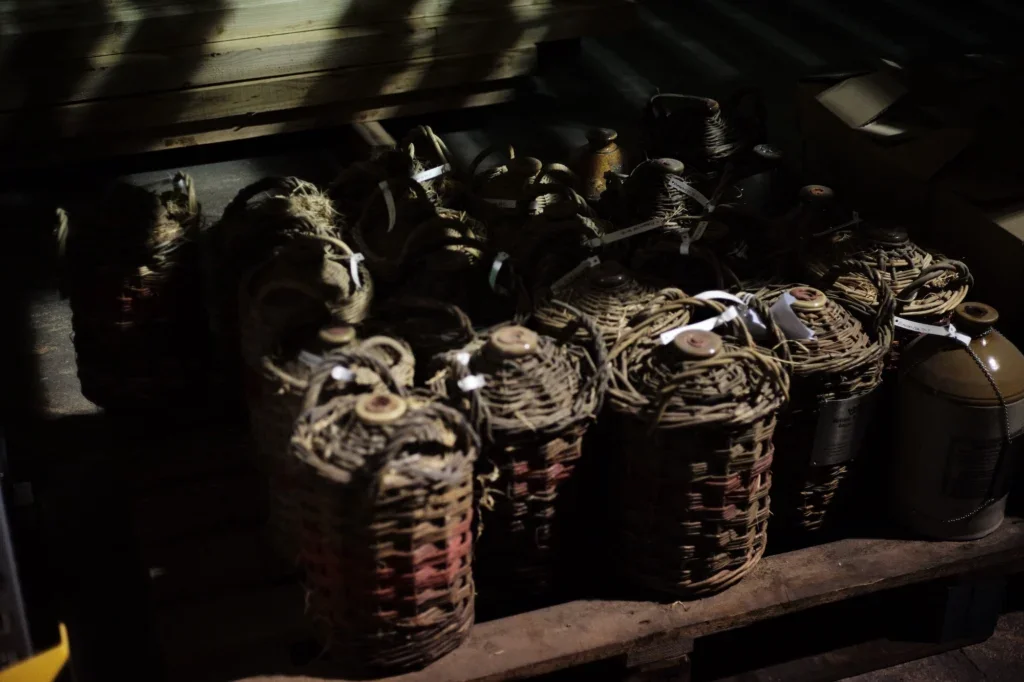
The resulting blend ebbed and flowed but was remarkably consistent, given its origins: a constantly changing collection of rums from across the Caribbean, unified through blending into a spirit sailors recognized as distinctly Navy.
When the final rum ration was served on July 31st, 1970, the remaining flagons became historical artefacts; collected, traded, and mythologized over the decades that followed.
After purchasing a few of these flagons, drinks industry legend and specialist spirits retailer Sukhinder Singh found his curiosity getting the better of him and cracked one open. What he discovered was not a dusty relic. The liquid was alive.
Echoes of the Past
More than 40 years after the final naval ration had been poured, the rum remained remarkably vibrant. Rich demerara notes of molasses, coffee, and dark chocolate mingled with brighter flashes of tropical fruit, spice, and esters. It was powerful, complex, and, perhaps most surprisingly, balanced.
The experience challenged a common assumption. The original Navy blend was often spoken about as if it were a singular style, a fixed recipe preserved through time. It was far more fluid. The Royal Navy sourced rum from across its trading routes, drawing heavily from Jamaica, Trinidad, Guyana, and Barbados. The exact composition evolved continually, changing with availability, logistics, and circumstance.
Inspired by what he found in those flagons, Singh set Oliver Chilton, master blender at Elixir Distillers, a challenge: create a modern interpretation of Navy rum that captured the depth, complexity, and character of the original while standing on its own merits as a contemporary premium spirit.
Rather than treating the surviving naval rum as a blueprint to be copied, Chilton approached it as a source of inspiration. Drawing carefully selected stocks from across the Caribbean, he built a blend that echoed the broad architecture of the original Navy style while embracing the quality and diversity available to modern rum makers.
What followed was not merely a one-off tribute but an ongoing exploration of blending.
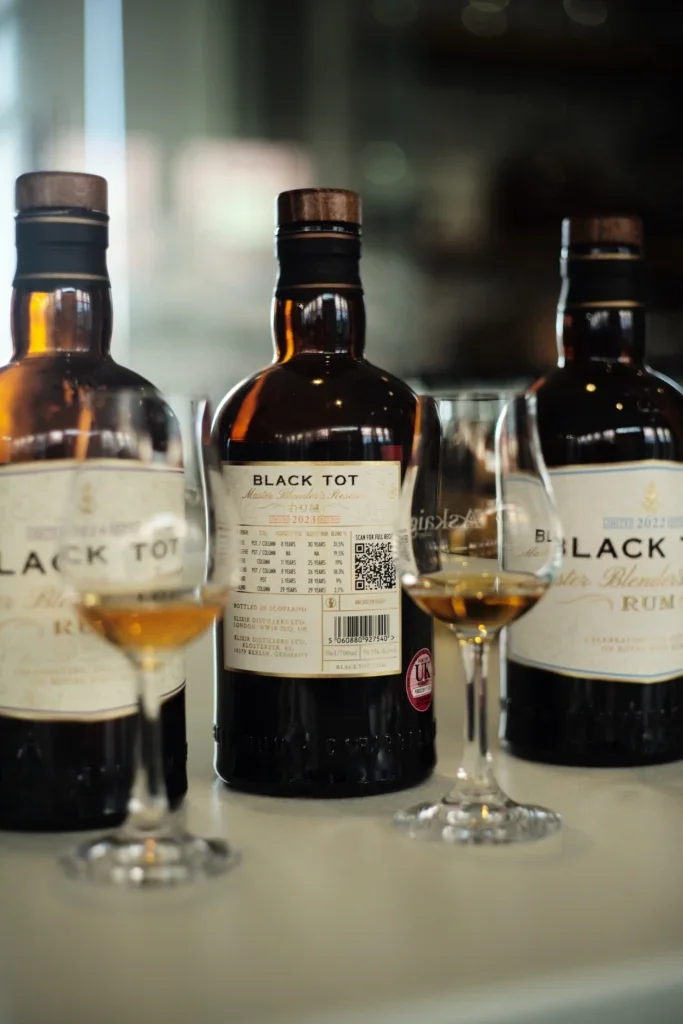
Chilton’s talismanic expression remains Black Tot Finest Caribbean Rum, a blend that demonstrates how Guyanese richness, Barbadian and Trinidadian elegance, and Jamaican exuberance can be woven together into a cohesive whole. Alongside it came the annual Master Blender’s Reserve releases, limited editions that allowed Chilton to explore different dimensions of the Black Tot house style while retaining its essential character.
The first Master Blender’s Reserve arrived in 2020 to mark the 50th anniversary of Black Tot Day itself. Limited to 5,000 bottles, it combined rums from Jamaica, Barbados, Guyana, and Trinidad with a small amount of the original Navy rum recovered from the surviving flagons. Rich, layered and deeply evocative; it felt less like a commemorative release and more like a bridge between past and present.
“Effectively, the Royal Navy pioneered perpetual blending centuries before the term entered the modern drinks lexicon.”
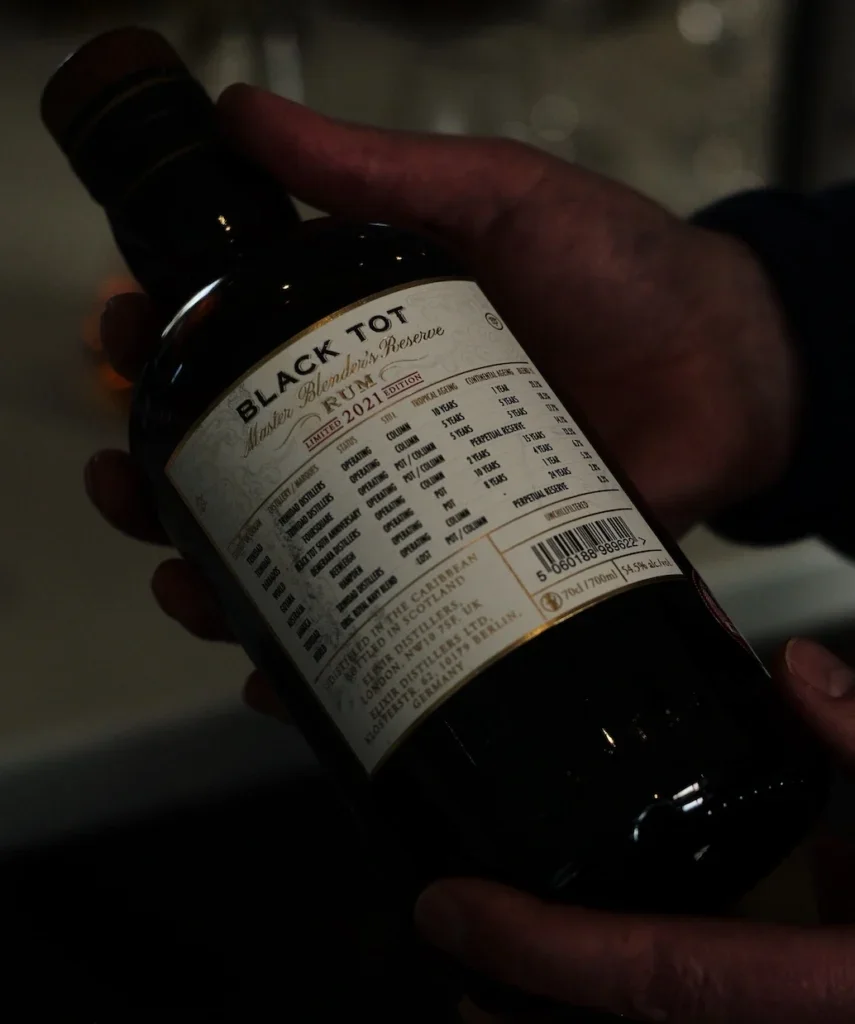
Subsequent annual editions became increasingly ambitious. The 2021 release drew together stocks from Trinidad, Barbados, Guyana, Australia and Jamaica, alongside remnants of the original Navy rum and previous perpetual blends. The transparency was remarkable; percentages, origins, and maturation details all lay bare on the label for enthusiasts to explore.
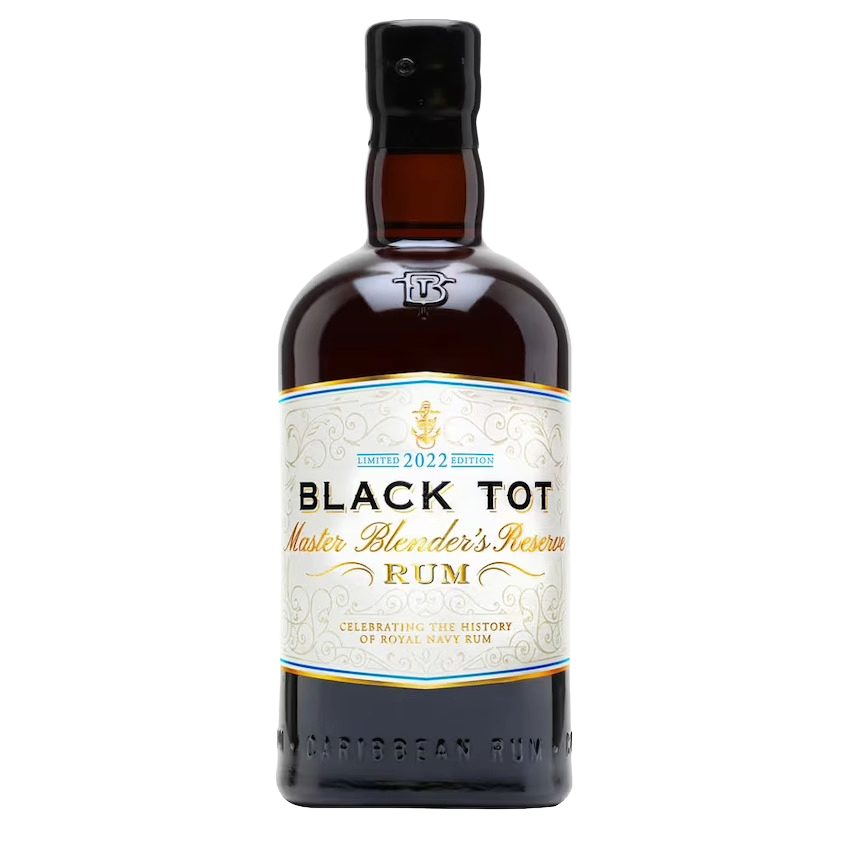
I sat with Chillton in his blending room to explore the six limited editions. All excellent, but it was the 2022 release that hoisted its flag highest for me. Built around a core of Guyanese and Barbadian rum, supported by mature Trinidadian stocks including spirit from the long-lost Caroni distillery, it achieved a wonderful balance between richness, fruit, and spice. Complex without becoming cumbersome, it demonstrated exactly what Black Tot does best: allowing disparate styles to work together in harmony.
The more time one spends with the brand, the more apparent it becomes that Black Tot is less interested in recreating naval history than it is in learning from it, and this can be seen in the latest release, a version of the core range Finest Caribbean rum, matured in a sherry-style solera system, which gives a richer, sweeter profile.
Origins of Blending
The Royal Navy’s greatest contribution to rum was not simply creating what was arguably the world’s first global blend. It was recognizing that blending itself could be a dynamic, evolving process.
The vast vats used to marry naval rum were rarely emptied. As spirit was drawn off to supply ships around the world, fresh rum was added to replenish the stock. Over decades, the contents evolved continuously, each new addition building upon what came before. Layer after layer of flavor accumulated within the system, creating complexity that no single batch could achieve alone.
Effectively, the Royal Navy pioneered perpetual blending centuries before the term entered the modern drinks lexicon. That process continued until the final ration was poured on Black Tot Day in 1970.
The philosophy is now being given a permanent home. The enormous vat being installed at Tormore will house a much larger perpetual blend, allowing Black Tot to move beyond annual experimentation and towards a living system that evolves continuously. Every gallon that enters will leave a trace. Every bottling will carry something of what came before.
Which brings me back to where this story began.
The Royal Navy’s original rum blend was born from global trade routes and ocean crossings. It was a practical solution to a logistical challenge; a way of creating consistency from an ever-changing collection of rums sourced from around the world.
Three centuries later, the sea remains just as important. The ships may be larger, the navigation digital, and the cargo tracked by satellite rather than sextant, but the world’s great rum styles are still separated by oceans. Jamaica still produces its unmistakable estery spirit. Guyana still offers richness and depth. Barbados continues to deliver elegance and balance. Each nation contributes something unique to the wider rum story.
That diversity has never been greater, which is why Black Tot’s decision to anchor itself – and the pun is entirely intended – in bringing those styles together feels particularly relevant today.
Rums are often discussed through the lens of individual countries, distilleries, and traditions. Those distinctions matter. They make the category fascinating. Blending, though, offers something different. It provides an opportunity to showcase how those traditions can complement one another, creating something that no single origin could achieve alone.
That philosophy sits at the heart of the new perpetual blend now taking shape at Tormore. An ongoing project built around one of the oldest ideas in spirits: that the whole can be greater than the sum of its parts.
And there is perhaps no better place for that idea to flourish than Speyside. After all, this is a region built upon blending. A place where generations of warehousemen and blenders have dedicated their lives to understanding how different casks, flavors, and ages can be combined into something that tastes great.
The weather may be a long way from the Caribbean, but the philosophy is not. And as Black Tot fills a new perpetual vat in the heart of Speyside, it feels less like a rum brand borrowing from history than one carrying a centuries-old idea into the future.