
After six years of campaigning, and 23 years since its modern revival, English whisky has finally been granted its geographical indication (GI).
It now has the same legal protections as whisky produced in other UK regions. But what should have been a historic and joyous moment for English distillers has soured after the Scotch Whisky Association (SWA) accused the newly approved GI of damaging the reputation of its own whisky.
But is Scotch just stirring up a storm in a barrel? England has been producing whisky since at least the 1600s, albeit at low levels until the category’s revival at the start of the millennium.
There are now 70 English distilleries producing and maturing whisky, with styles ranging from sherried single malts to spicy ryes and even corn whisky. Despite being a relatively small country compared to somewhere like the US, England’s climate and culture is significantly diverse, offering regional variations in production techniques, raw materials, and maturation temperatures.
Without the historic traditions and strict regulations of categories like Scotch, English producers have been free to experiment and play with their own version of whisky, resulting in innovative, flavor-first styles we’ve never seen before.
Until now, there have been no clear guidelines for what English whisky should be, and with more new producers arriving every year, a formal structure has been desperately needed.
The English Whisky Guild (EWG), which comprises 28 distillery members across England, has been working hard to establish a GI for the category and has engaged the whole industry, including Scotch.
Last week, the UK government finally approved its application. But what does it cover?
Firstly, it’s still whisky according to the standard EU and UK definition; e.g., it must be made from grain, matured for a minimum of three years, and bottled at a minimum of 40% ABV. However, a few technical adaptations have raised eyebrows.
Your English Whisky GI Fun Facts
- Any wood type may be used to mature whisky, not just oak (similar to Irish whiskey).
- Only grain grown in the UK may be used (Scotch can source theirs from anywhere in the world).
- Distillation may take place in vessels of any material, size or shape (modern hybrid pot and column still designs are permitted; copper use is optional).
- It can be shipped in bulk and bottled overseas (Scotch single malt must be bottled in Scotland as a means of quality control, but the impact on carbon emissions is huge considering an estimated 134 million bottles of single malt are exported every year).
- It can be spelled either English whisky or whiskey (the most contentious and unnecessary inclusion in my opinion)
But the main rule that has caused the Scotch industry to squirm relates to the definition of single malt. In Scotland, a single malt must be mashed, fermented, and distilled at the same location. Under the new English whisky regulations, mashing and fermentation may take place at different sites, meaning distilleries are able to partner with local breweries to produce their wort.
While the SWA and Scottish MPs are up in arms (the SWA has stated it is “profoundly concerned by this decision”), this could in fact be the most exciting characteristic to define English whisky.
England is a proud, beer-making and drinking nation, with 1,578 breweries as of January this year. Distillery collaborations with local breweries not only pave the way for innovation, but they also help share the astronomical costs of establishing and operating a distillery, while providing a lifeline to breweries that are closing at an alarming rate.
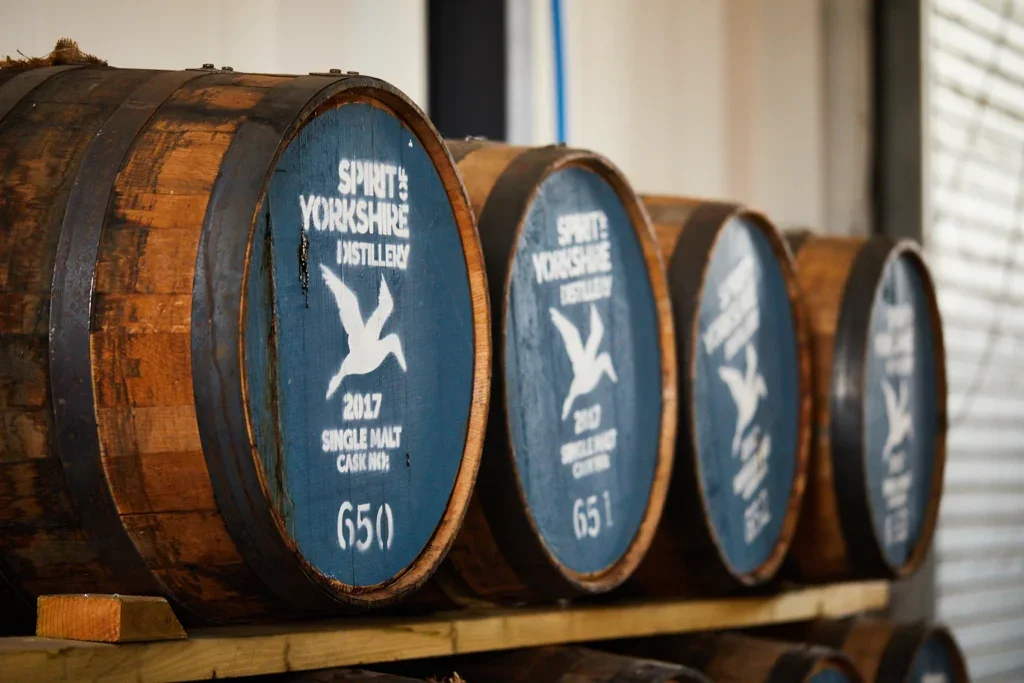
It’s a rule based on historic precedent too – the first modern whisky produced in 2003 through a collaboration between cider brandy producer Hicks and Healey and St Austell’s brewery was made this way. There are also 12 distilleries currently producing single malt whisky at local breweries instead of on-site, including the Spirit of Yorkshire (Wold Top Brewery) and Eller’s Farm (Theakston’s).
The SWA didn’t have an issue with the process until now; nor have they contested the regulations for American or Australian single malt, which also allow for off-site mashing. Many Scotch whisky producers also don’t actually care about English whisky’s new rules, either.
Annabel Thomas, founder of Nc’nean, told me: “The SWA need to do what they need to do, but from the point of view of a single distiller, I am not worried about the rule difference.”
Alasdair Day, founder of Isle of Raasay distillery, added: “I don’t think this will confuse consumers; this is how some English single malts have been made, so it makes sense to incorporate this in the new English regs. I don’t think this will damage Scotch whisky’s reputation either. I hope that it does help distinguish between Scotch and English whisky – as an industry we should all work hard to make sure that the consumer is fully aware that they are very different.”
While single malt is made in more than 36 countries worldwide, Scotch accounts for 90% sold (source: SWA). But does that mean all countries must conform to their definition? Whisky drinkers aren’t stupid; they understand and embrace the regional differences between styles – it’s this diversity that makes whisky such an alluring spirit.
The SWA says it’s “considering our position and next steps,” but forcing other countries to conform to its practices to suit the more powerful player just limits choice, and quite frankly, reeks of concern that English whisky’s meteoric rise and – dare I say it – independence could someday challenge Scotch’s dominance.
Three English Whiskies To Try
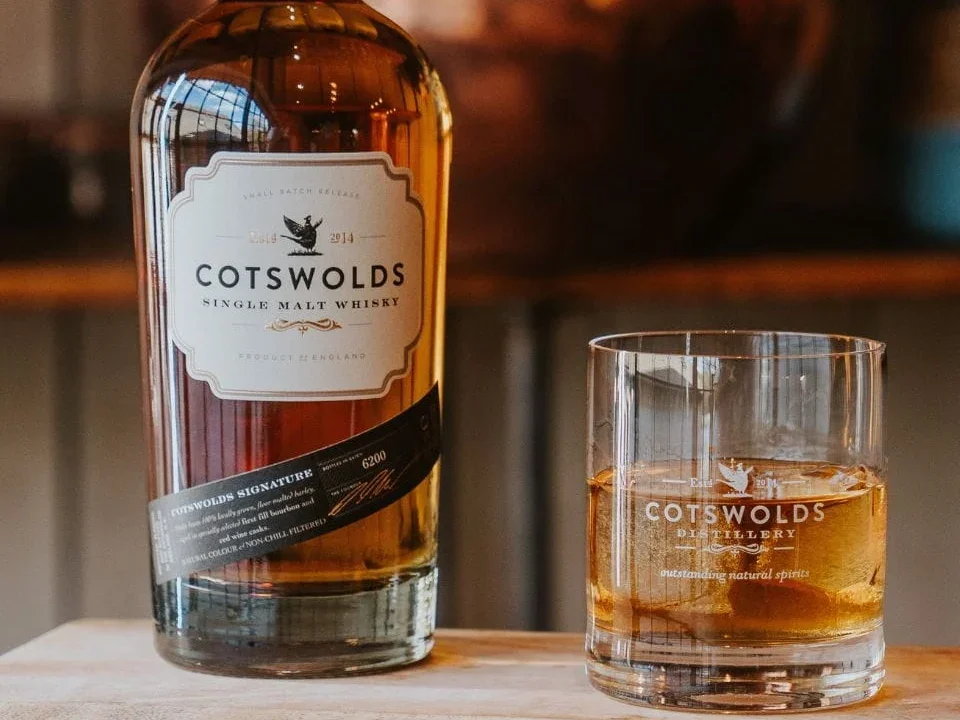
Cotswolds Signature Single Malt, 46% ABV
One of the earlier modern English whisky distilleries, the Cotswolds distillery was one of the few nurtured to life in 2014 by legendary master distiller Jim Swan, the ‘Einstein of whisky’ behind the likes of Kavalan, Nc’nean and Kilchoman. The Cotswolds distillery uses 100% locally grown, floor malted barley, with a combination of yeast strains to accentuate superbly fruity flavors. Its Signature single malt expression makes beautiful use of Swan’s proprietary STR (shaved, toasted, recharred) red wine casks, imparting sweet, luscious notes of red berries to Cotswold’s deliciously honeyed, malty spirit.
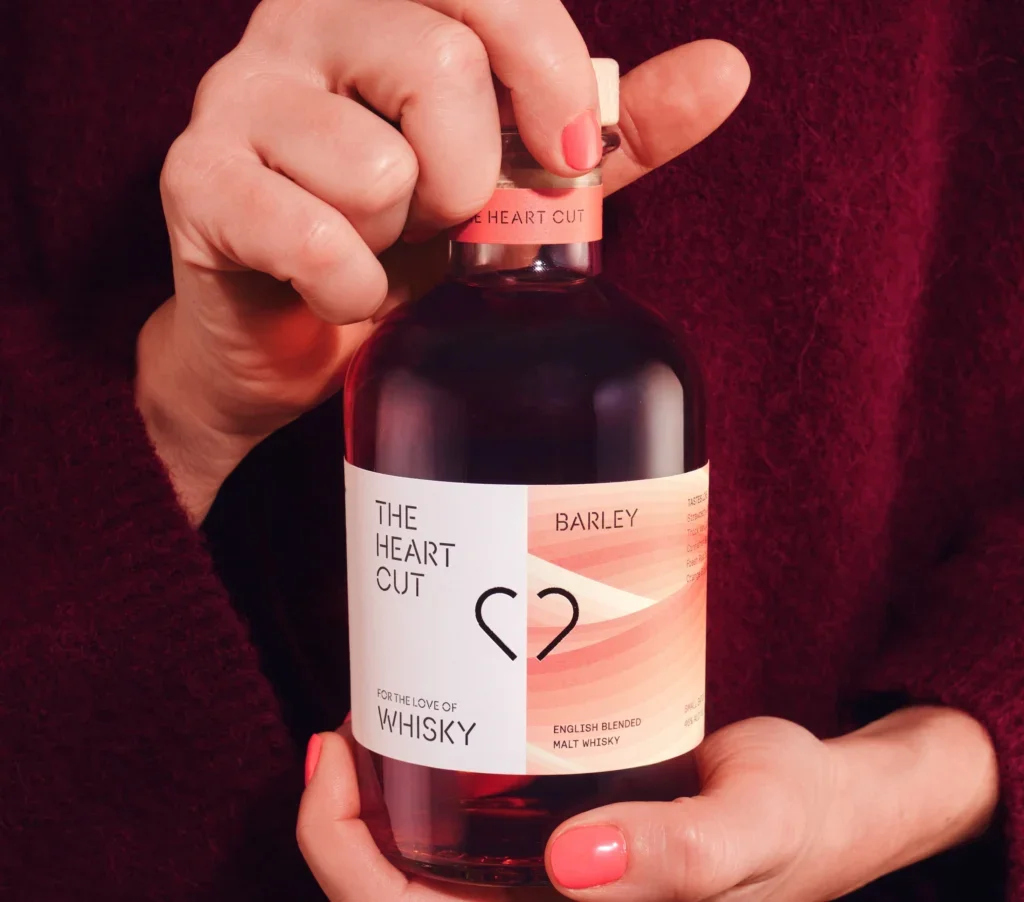
The Heart Cut Barley, 46% ABV
Widely known for sourcing superb single casks from independent distilleries around the world, the Heart Cut produced its award-winning first core expression as a blend of different English single malts. Crafted in collaboration with five of England’s leading single malt distilleries – Copper Rivet, The English, Cotswolds, White Peak, and Adnams – it’s a whisky that’s simply a ‘love letter’ to English whisky. Expect notes of fresh raspberries and strawberry doughnuts, laden with fresh cream and a delicately spiced, moreish finish.
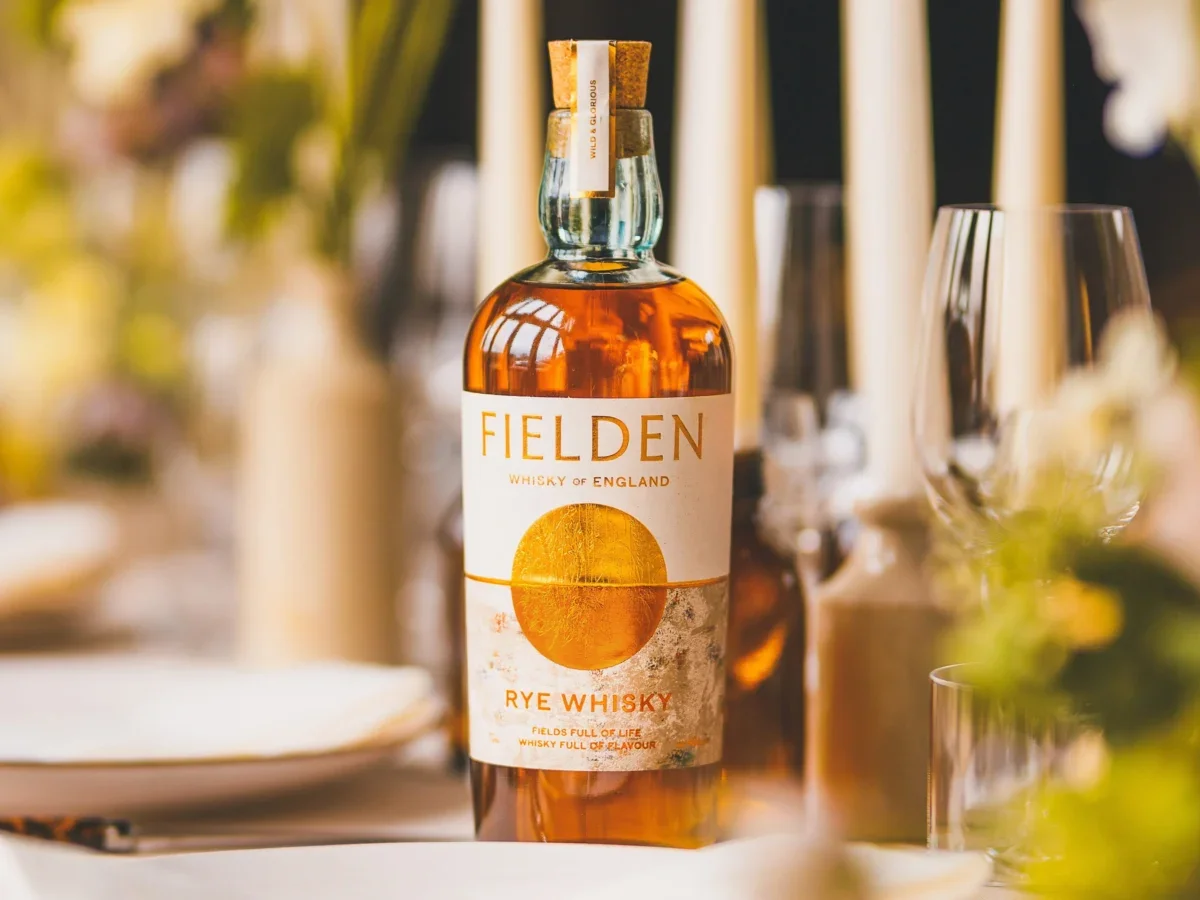
Fielden Rye, 48% ABV
If you’re a fan of American rye whiskey, this complex, layered and indulgent expression from Fielden will defy your expectations. Now contract distilled at Adnams in Southwold (after spending the start of its life being produced in Oxford), Fielden’s focus is on distilling the spirit of England’s fields. A mash of rye, barley and wheat, its oily, fruity spirit is matured in a combination of new and used American oak, Sauternes, Moscatel and Madeira casks for a richly fruity, sweet and peppery whisky full of hedgerow berries, orchard fruits, caramel and buttery, flaky pastry. Undoubtedly one of the best examples of European rye whisky.