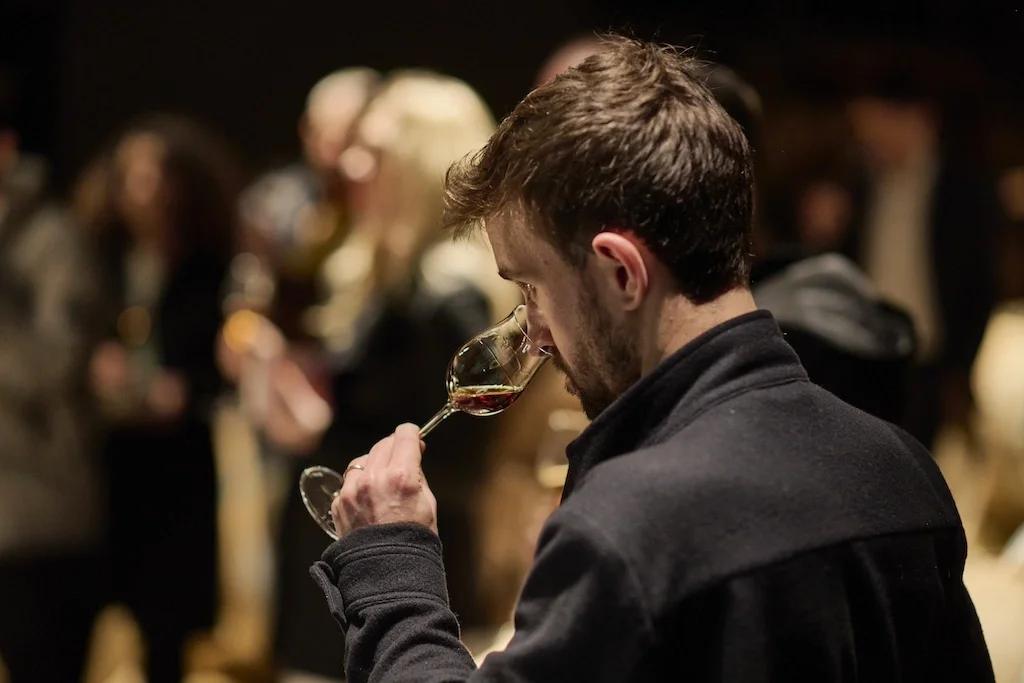
When spirits are aged, they are almost always aged in oak. In Scotch whisky’s case, oak is the only option.
The Scotch Whisky Association (SWA) states that Scotch whisky must be aged in oak casks for a minimum of three years. It’s an uncontroversial rule, but it is a growing point of difference with its neighbors.
The recent English whisky Geographical Indication allows English whisky producers to use any wooden cask, and Irish whiskey follows the same rule. The SWA took issue with some of England’s GI regulations, but not cask types.
A spokesperson for the SWA told The World of Fine Spirits: “While the definition of whisky in the UK and EU requires maturation in wooden casks, Scotch whisky is subject to stricter legal requirements that specify the use of only oak. These requirements reflect practices that have shaped Scotch whisky over generations and continue to protect its quality and global reputation.”
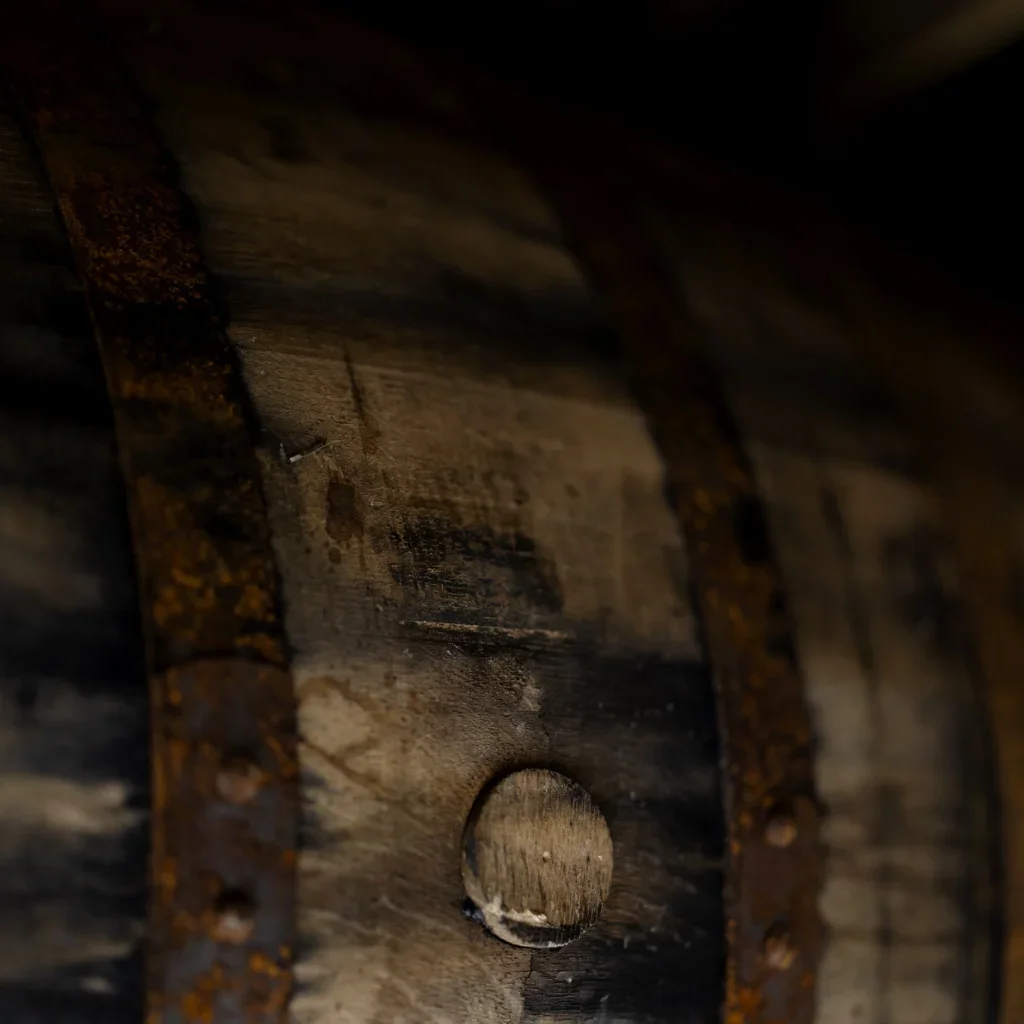
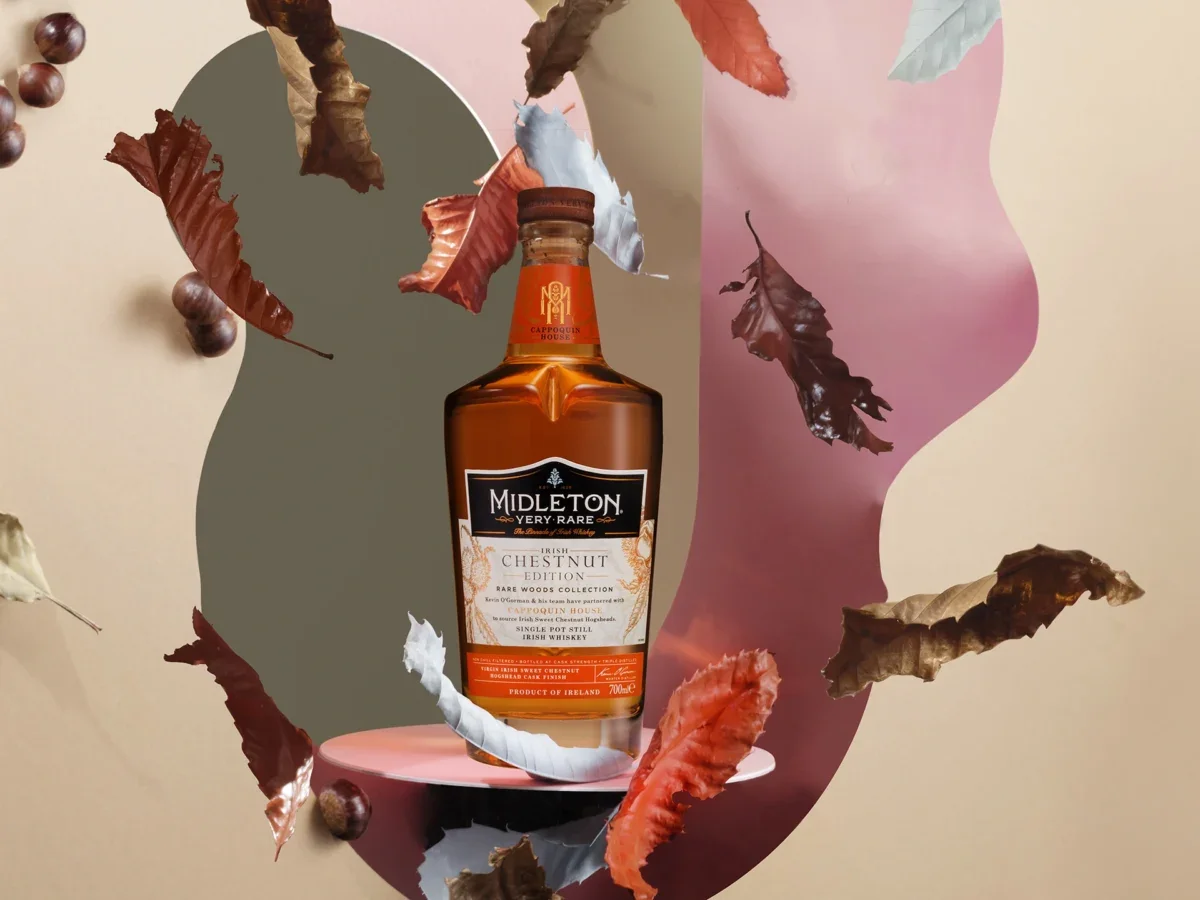
But the potential that other woods offer is increasingly obvious. The recent Midleton Very Rare Irish Chestnut Edition spent five years in Irish sweet chestnut casks after a longer period in oak. It’s Midleton’s first time using it, and it will be part of a wider Rare Woods series that uses uncommon wood types. Those who have tried it have been impressed. Writing in Elite Traveler, Alice Lascelles described the release as “glorious”, but what does it offer that’s different from oak?
Midleton master distiller Kevin O’Gorman told us it comes down to tannin, texture and flavor: “Irish sweet chestnut brings a distinctive combination of all three – tannin, texture and flavor – but it’s the balance of structure, spice, and sweetness that really sets it apart from traditional oak.
“Irish sweet chestnut is naturally more porous than oak, allowing for greater interaction between the wood and the whiskey. We found it contributed soft wood tannins, a distinctive texture and layers of flavor, while still allowing the character of the underlying single pot still whiskey to shine through.
“Ultimately, it’s not that chestnut can deliver something oak can’t, but that it brings a different expression of these qualities. Working with Irish sweet chestnut has deepened our understanding of how alternative wood species influence whiskey over extended maturation and reinforced the importance of selecting the right cask to achieve the desired flavor profile.”
But it doesn’t matter how good chestnut-aged spirit tastes; there are inherent challenges that mean the wood will always be limited to expensive, one-off releases. Yet both Irish and Scottish producers face falling demand, so any opportunity to experiment with flavor is an advantage. O’Gorman agrees: “We see that freedom [to use other wood types] as a real advantage for Irish whiskey… giving us more opportunities to explore different maturation styles and flavor profiles.
“We started playing around with different wood types around 2012. This was the genesis of the Method and Madness brand that we launched in 2017, and that was the first time we used French sweet chestnut for an Irish Whiskey. We followed on with many wood types, including acacia, amburana, cherrywood, and hickory, just to mention a few.
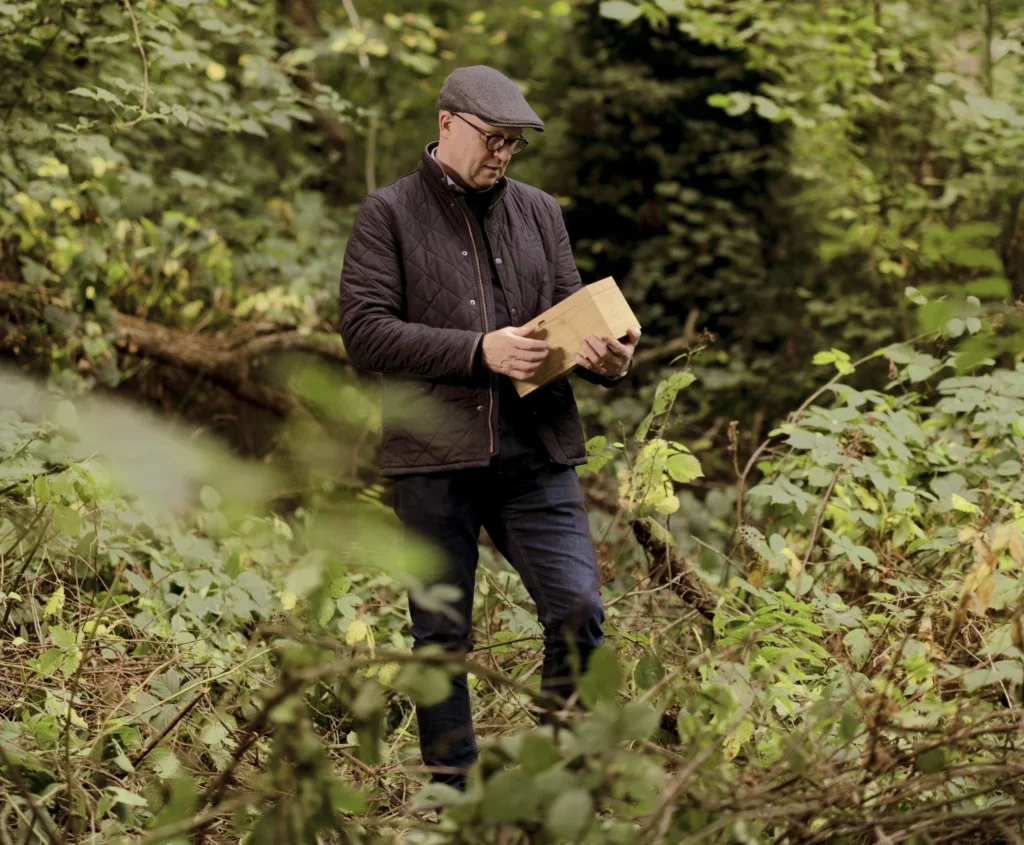
“It was our really positive experience with French and Spanish sweet chestnut that led us to the sourcing of Irish sweet chestnut. This wood is extremely rare in Ireland, but with the help of our forestry consultant, Paddy Purser, we sourced this special wood type from Sir Charles Keane at the Cappoquin House Estate in County Waterford.”
The lengths O’Gorman and the Midleton team went to in sourcing the wood are just one of the challenges posed by Irish sweet chestnut. “Sweet chestnut is an interesting development in whiskey maturation, but I don’t see it becoming a serious alternative to oak,” he said.
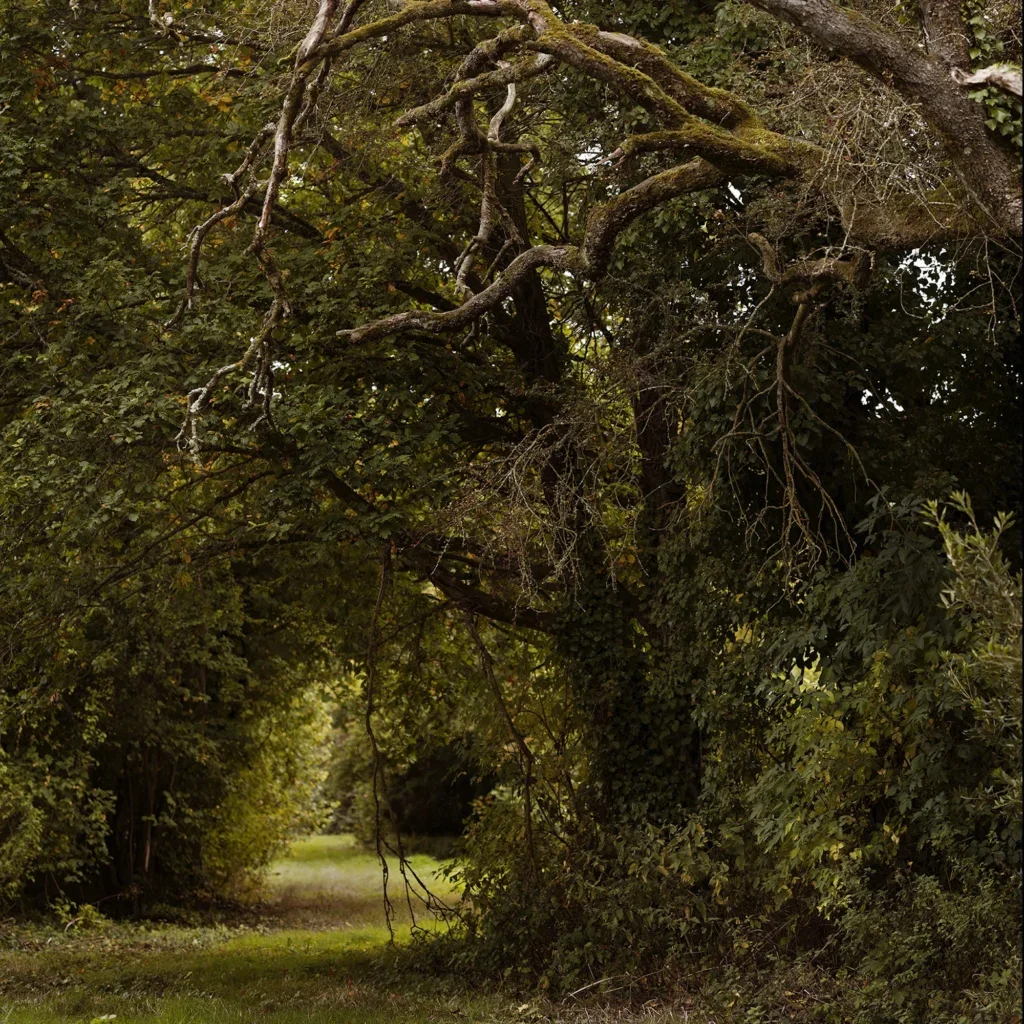
“Oak’s flavor profile and supply chain are well established, making brands with a defined house style hesitant to change, and no other mature hardwood able to compete at the scale required. The biggest drawback is the level of angels’ share losses, which are not sustainable for the industry at large. I therefore see it having a place in occasional, limited releases rather than replacing our beloved oak.”
For Scotland, the question of other wood types is moot, the SWA already allows Scotch producers to use a variety of oak cask types, specifically those previously used to mature sherry, wines, beer, even agave spirits. It added: “The variety of oak casks available to Scotch whisky producers offers considerable opportunities to innovate new expressions while preserving the traditional characteristics of Scotch. The Scotch Whisky Association is always committed to protecting the reputation of Scotch whisky at home and abroad, while working closely with industry and stakeholders to support innovation within the category.”
Midleton’s Rare Woods series is off to a strong start, but its neighbors’ freedom comes with limits. The Irish Chestnut Edition costs $450, and if O’Gorman is right, that means a handful of expensive bottles rather than a rival to oak. But for a category that so rarely changes its mind, even a handful is enough to start the debate.