The Negroni is one of the easiest cocktails in the world to make, and one of the least forgiving to drink.
High-strength and unapologetically bitter, it’s a drink people either fall for immediately or never order again. But apply the same equal-parts philosophy to other ingredients, and you can adjust the flavor dials to suit any palate.
Here are three genuine alternatives to the classic Negroni, with everything you need to make them at home.
How 321 Cocktails Works
321 Cocktails offers three meaningful alternatives to the world’s most popular classic cocktails, suited to the beginner, the intermediate, and the expert at-home bartender.
The Twist: The easiest of the three, the Twist changes the classic recipe with subtle ingredient swaps and simple additions. Easy to do, with tasty results.
The Upgrade: Often calling for custom ingredients that require a touch of preparation, the Upgrade is suited to the ambitious at-home bartender looking to impress guests.
The Maverick: If you’ve been making cocktails at home for a while and are ready to take them to the next level, try the Maverick. These bar-grade variations may have you hunting for niche ingredients in specialist stores, but the results are spectacular.
Origins of the Negroni
This article offers Negroni riffs, but the Negroni itself came from the same sentiment. Back in 1919, the impressively named Count Camillo Negroni must’ve been having a particularly tricky day when he had his bartender strengthen his Americano by swapping the soda water for gin.
That bartender, Fosco Scarselli, served it with a slice of orange and named the creation after his customer. Of course, a three-ingredient cocktail doesn’t just spring from nowhere, and other accounts claim to have made something similar before.
But as far as the origins of the classics, this one is about as undisputed as it gets.
The Classic Negroni
Equal parts gin, Campari, and sweet vermouth, a Negroni should be bitter first and sweet second, with the gin’s botanicals cutting through Campari’s grapefruit-peel sharpness and the vermouth adding weight and a herbal richness underneath. The key is simplicity: three ingredients, equal measures, and no shaking.
Ingredients
1oz (30ml) gin
1oz (30ml) Campari
1oz (30ml) sweet vermouth
Orange peel (garnish)
Method
Combine the gin, Campari, and sweet vermouth in a mixing glass with ice. Stir until chilled and diluted, then strain into a rocks glass over a large cube of ice. Express an orange peel over the drink and drop it in.

The Twist: Right Hand
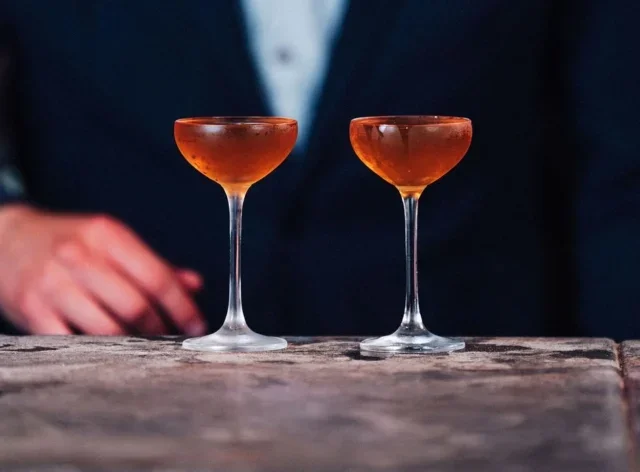
The classic Negroni may use gin as a base, but the three-part aperitif is the perfect vehicle for any base spirit. This Right Hand was created by Michael McIlroy at Milk & Honey and blends aged rum with Campari, sweet vermouth, and chocolate bitters.
The result is a rich, bittersweet, and subtly spiced Negroni, with notes of dark chocolate, orange, and tropical fruit.
The cocktail’s typical garnish is an expressed orange peel, which lends a warm, citrusy aroma to the spirit-forward serve, but it also thrives with a side of dark chocolate.
Ingredients
- 1.5oz (45ml) Black Tot Finest Caribbean Rum
- 0.75oz (22.5ml) Cocchi di Torino sweet vermouth
- 0.75oz (22.5ml) Campari
- 2 dashes Scrappy’s chocolate bitters
- Orange peel (garnish)
Method
Combine all ingredients in a mixing glass. Add ice and stir to chill and dilute. Strain into a chilled Nick & Nora glass, then express an orange peel over the top and leave it in the glass.
The Upgrade: Coffee & Coconut Negroni
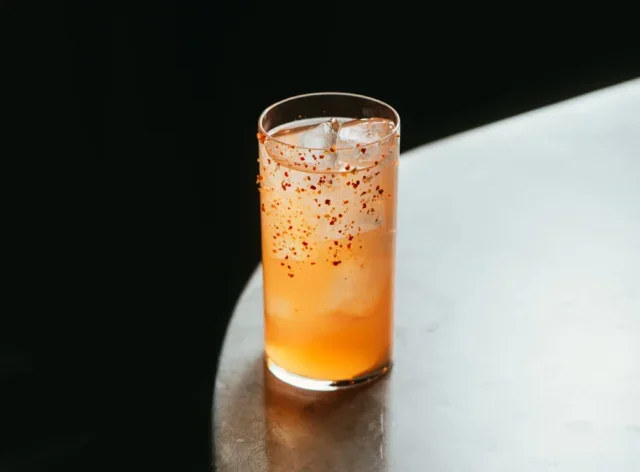
The Negroni’s bitterness demands flavors with enough character to stand alongside it, which makes coffee and mezcal natural companions. Here, roasted coffee deepens the bittersweetness of the aperitif blend, Sipello.
The mezcal brings earthiness and salinity, while coconut water acts as a complex form of dilution. The result is a dark, textural, and elegant reimagining of a classic.
Ingredients
- 1oz (30ml) mezcal, preferably Rey Campero Espadín
- 1oz (30ml) coffee-infused Cocchi di Torino*
- 0.5oz (15ml) Campari
- 0.5oz (15ml) Sipello British aperitif
- 0.5oz (15ml) Rebel Kitchen coconut water
- Coffee bean (garnish)
Method
Build the ingredients in a chilled glass over a large, clear cube of ice. Stir in the glass for 10 to 15 seconds, then garnish with one coffee bean on top of the ice cube.
Custom ingredients
Coffee-infused sweet vermouth*
- 17oz (500ml) Cocchi di Torino
- 10g whole coffee beans
Method: Mix the coffee beans and sweet vermouth in a container and infuse at ambient temperature for a minimum of one hour, but infuse to taste. Once you’re content with the intensity of the coffee flavor, strain the sweet vermouth through a fine strainer and filter into a bottle. Store in the fridge and use within one month.
Pro tip: Entertaining at home? Funnel these ingredients into a hollowed-out coconut and store in the fridge to chill until the cocktail is ready to serve. Then decant the contents of the coconut directly into the glass over ice and enjoy.
The Maverick: Frutti di Bosco by Dante Mayfair
Dante NYC is the modern home of the Italian classic. The Greenwich Village bar’s dedicated Negroni program helped cement its reputation as one of the world’s great cocktail bars.
In summer 2026, the bar debuted in London, where it serves the Frutti di Bosco.
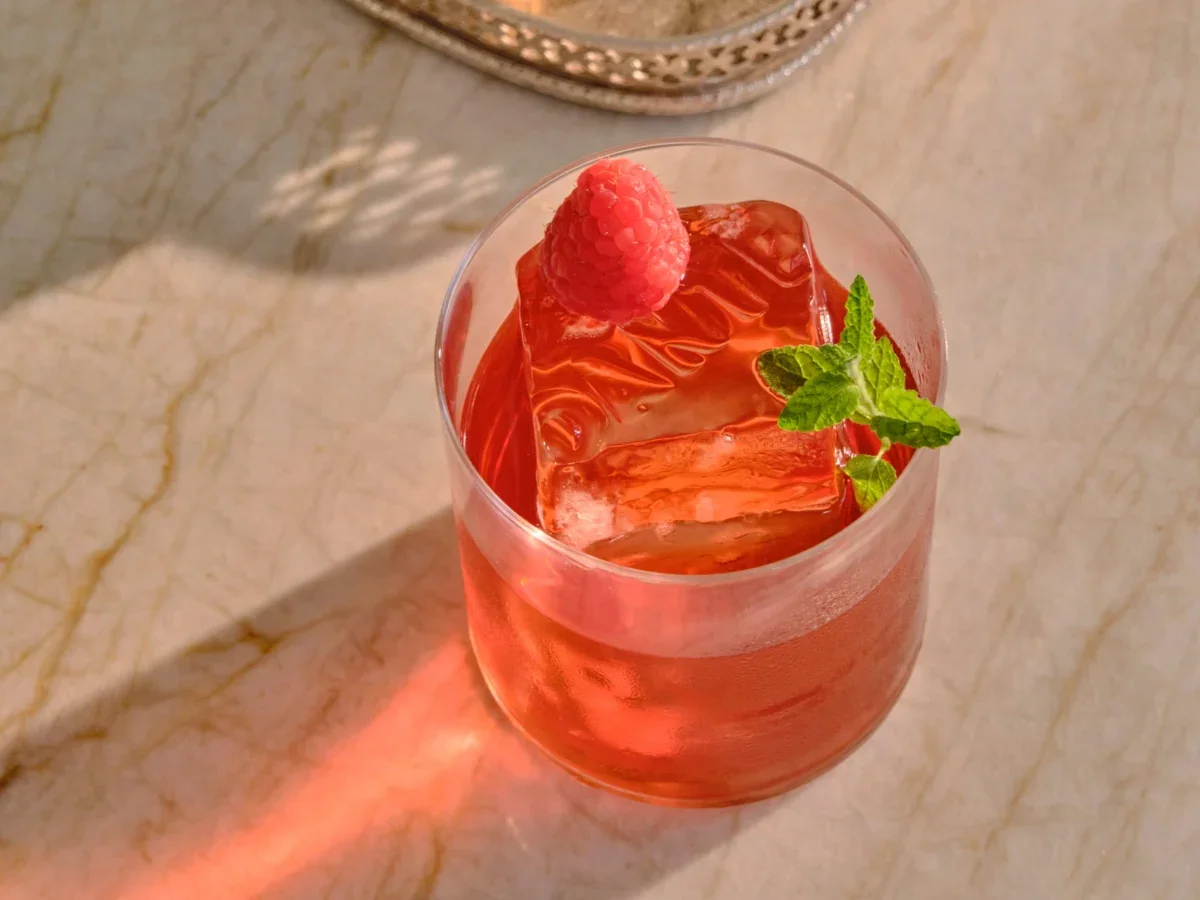
It’s juicy and fruity, based on tequila with a touch of gin for botanical complexity. The bitter element is split between strawberry-infused Campari and Amaro Santoni; Cocchi Rosa replaces vermouth, and clarified strawberry juice acts as the diluent. Make a large batch and thank us later.
Ingredients (per serving)
- 0.25oz (7.5ml) Monkey 47 gin
- 0.75oz (22.5ml) Patrón Silver tequila
- 0.75oz (22.5ml) Cocchi Rosa
- 0.25oz (7.5ml) clarified strawberry juice*
- 0.25oz (7.5ml) verjus
- 0.5oz (15ml) Amaro Santoni
- 0.75oz (22.5ml) strawberry Campari**
- 0.5oz (15ml) Acqua Panna mineral water
- Frozen raspberry and micro strawberry leaf (garnish)
Method
Scale the ingredients above to the batch size you need, combine, then infuse the finished batch with raspberries*** and chill. To serve, remove the chilled Negroni batch from the fridge and pour into a chilled rocks glass over a large cube of ice. Gently stir to chill, then garnish with a frozen raspberry and a micro strawberry leaf.

Custom ingredients
Clarified strawberry juice*
- 500g strawberries
Method: Juice the strawberries in a high-speed juicer, then let the juice rest in a container for a couple of hours. Once the juice starts naturally separating, slowly strain it through a fine coffee filter or superbag to clarify. Refrigerate the yield until it’s ready to be used to dilute the Negroni, and use within two to three days.
Strawberry Campari**
- 17oz (500ml) Campari
- 250g fresh strawberries
Method: Combine the ingredients in a vacuum bag and seal. Add to a water bath and cook sous vide at 65°C for two hours. Remove from the bath, let cool, then fine strain through a cheesecloth-lined chinois to remove any fibers.
Raspberry-infused Negroni batch***
- 50g fresh raspberries
- 13.5oz (400ml) Negroni batch
Method: Add fresh, gently pressed raspberries to the batched Negroni. Infuse for two hours at room temperature, then fine strain through a cheesecloth-lined chinois and bottle for service.